
Genome Check
GenomeCheck M (NIPT)
What is GenomeCheck M?
GenomeCheck M, the non-invasive prenatal testing (NIPT) service, is a screening for aneuploidy of a fetus with cell-free fetal DNA exists in the blood of a pregnant woman
Prenatal genetics graphic
The source graphic explains fetal DNA in maternal blood. Its medical wording requires clinical review.
Basic Information
- Technology : NGS (Next Generation Sequencing)
- Test Period : 10 ~ 24 weeks after pregnancy
- Specimen : Maternal Blood or Maternal Plasma
- Storage Condition : 2 °C ~ 8 °C (blood), -70 °C (plasma)
- Transportation Condition : 2 °C ~ 8 °C (blood or plasma)
Key Features
GenomeCheck information
The source graphic presents risk scoring, personalized testing, prevention, and disease-incidence claims. These claims require clinical review.
GenomeCheck G (Newborn Screening)
What is GenomeCheck G?
GenomeCheck G, is a newborn screening test to identify over 400 to 1,000 numerical and structural chromosomal abnormalities in newborns and infants.
Conditions listed in the source graphic
The source graphic lists chromosome conditions and test totals. The condition list and service scope require clinical review.
Basic Information
- Technology : CMA (Chromosomal Microarray Analysis)
- Test Period : From birth onward
- Specimen : Blood, Oral epithelial cell, Saliva
- Storage Condition : 2 °C ~ 8 °C (blood), 15 °C ~ 30 °C (others)
- Transportation Condition : 2 °C ~ 8 °C (blood), 15 °C ~ 30 °C (others)
Key Features
Chromosome testing information
The source graphic makes accuracy, timing, miscarriage, and birth-outcome claims. These claims require clinical review.
GenomeCheck K (Confirmatory Testing)
What is GenomeCheck K?
GenomeCheck K, is confirmatory testing for clients who have high risk in other GenomeCheck tests or for any people who wants to identify their genetic status
- Minimizes genetic risks by identifying any fetal chromosomal abnormalities before birth.
- Whole-genome testing for rare adults diseases enables early diagnosis and prevention of rare genetic conditions.
- Preconception genome testing for couples assesses genetic risks during pregnancy by analyzing both partners’ genes.
Basic Information
- Technology : Karyotype analysis + CMA
- Test Period : For all pages
- Specimen : Blood, Amniotic fluid, Chorionic villi
- Storage Condition : 2 °C ~ 8 °C
- Transportation Condition : 2 °C ~ 8 °C
Key Features
Chromosomal microarray information
The source graphic makes diagnostic capability and result-quality claims. These claims require clinical review.
GenomeCheck PV (PGT)
What is GenomeCheck PV?
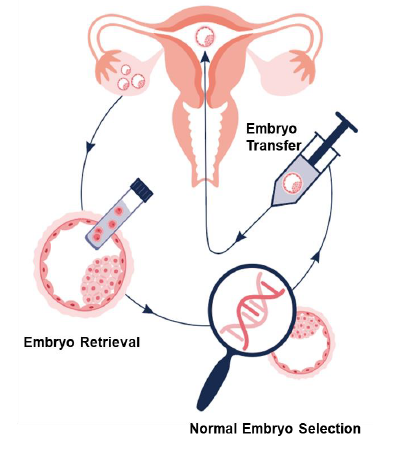
GenomeCheck PV is a pre-implantation genomic test (PGT) that identifies genetic abnormalities in embryos and selects normal embryos to enhance implantation.
- Breast
- Esophagus
- Thyroid
- Lung
- Liver
- Gastrointestinal tract
- Pancreas
- Kidney
- Bladder
- Colorectal area
- Gallbladder
Basic Information
- Technology : NGS (Next Generation Sequencing)
- Test Period : 3 ~ 5 days after fertilization
- Specimen : Embryonic Cell (blastomere, part of trophectoderm)
- Storage Condition : -25 °C ~ -15 °C
- Transportation Condition : -25 °C ~ -15 °C
Key Features
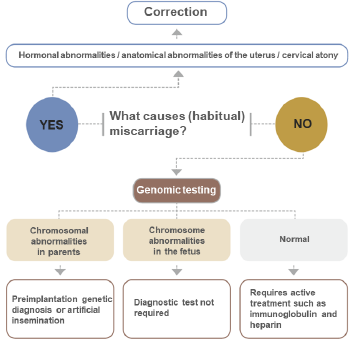
Miscarriage testing flowchart
The source flowchart includes testing, diagnosis, and treatment steps. A qualified reviewer must approve these steps before publication.
GenomeCheck A (Cause of Miscarriage)
What is GenomeCheck A?
GenomeCheck A is a test to identify whether the client have a genetic disorders in the cause of repeated miscarriage using parental blood or aborted fetal tissue.
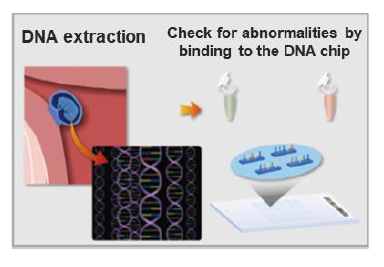
- DNA extraction
- Check for abnormalities by binding to the DNA chip
What is habitual miscarriage?
- Occurs in approximately 1-5% of all women
- If spontaneous miscarriage occurs three or more times in a row
Basic Information
- Technology : DNA chip (CMA technology)
- Test Period : After miscarriage
- Specimen : Production of conception
- Storage Condition : 2 °C ~ 8 °C
- Transportation Condition : 2 °C ~ 8 °C
Key Features
- Embryo retrieval
- Normal embryo selection
- Embryo transfer
GenomeCheck H (Cancer Screening)
What is GenomeCheck H?
GenomeCheck H is a Cancer Screening test analyzing various genetic markers to identify potential risks for 11 types of cancer (colorectal, lung, gastrointestinal, liver, thyroid, biliary tract/gallbladder, esophagus, pancreas, kidney, bladder, and breast cancer)
Copy number variation information
The source graphic makes disease-scope, speed, and accuracy claims. These claims require clinical review.
Basic Information
- Technology : SNP Microarray (CMA technology)
- Test Period : For all ages
- Specimen : Blood, Oral epithelial cell
- Storage Condition : 2 °C ~ 8 °C
- Transportation Condition : 2 °C ~ 8 °C
Key Features
Chromosomal microarray information
The source graphic makes technique, data, and test-capability claims. These claims require clinical review.
Service time information
Current service times require approval. Contact the laboratory for current information.