
What is Heart
Background health information. Main sections are listed under “On this page”.
For testing availability, samples, or results, see Services or contact the laboratory.
What is Heart
What is Heart ?
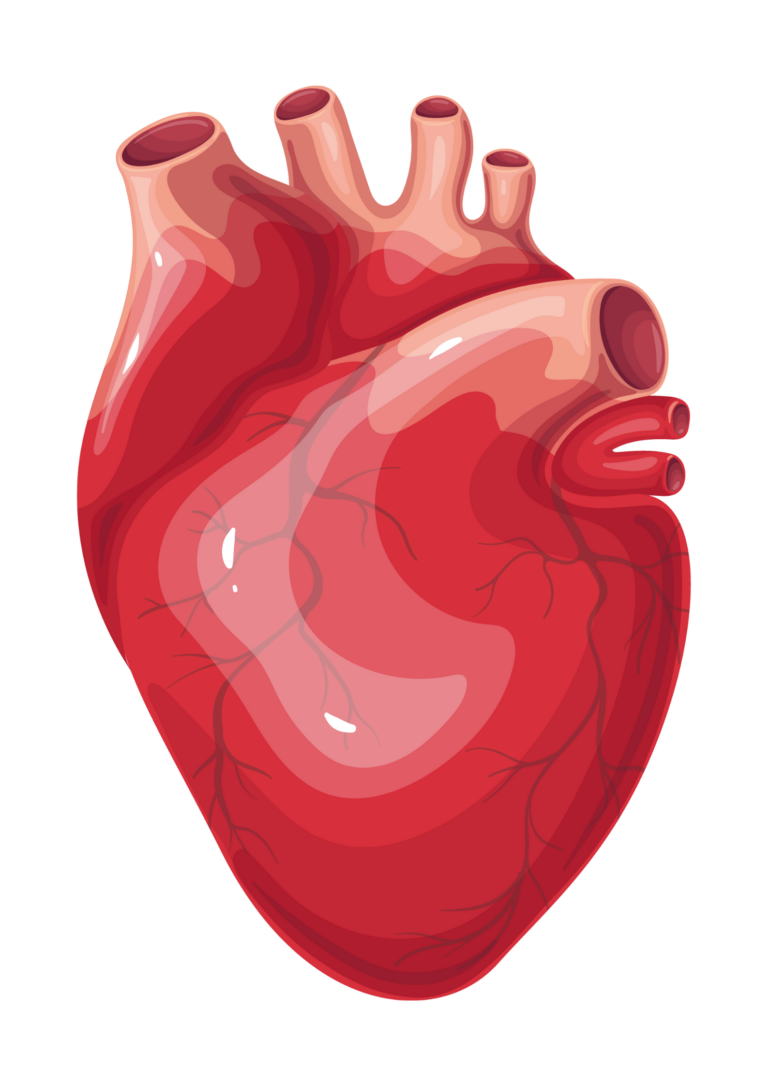
Heart
The heart is a muscular organ that pumps blood throughout the body. It’s the main organ of the circulatory system
Blood in heart
The blood pumped by your heart provides your body with the oxygen and nutrients it needs to function
Function of Heart
Blood Pressure
Maintains your blood pressure
Nervous System
Your nervous system helps control your heart rate. It sends signals that tell your heart to beat slower during rest and faster during stress.
Heart Rate
Controls the rhythm and speed of your heart rate
Endocrine System
Your endocrine system sends out hormones. These hormones tell your blood vessels to constrict or relax, which affects your blood pressure. Hormones from your thyroid gland can also tell your heart to beat faster or slower.
What are the parts of the heart?
The parts of our heart are like the parts of a building. Our heart anatomy includes:
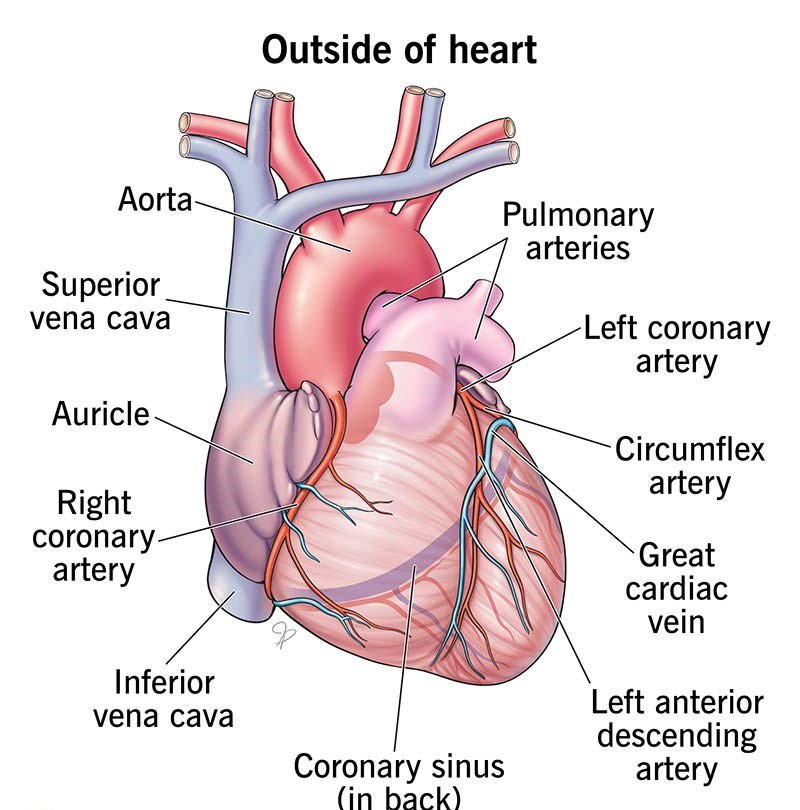
Heart walls
Our heart walls have three layers:
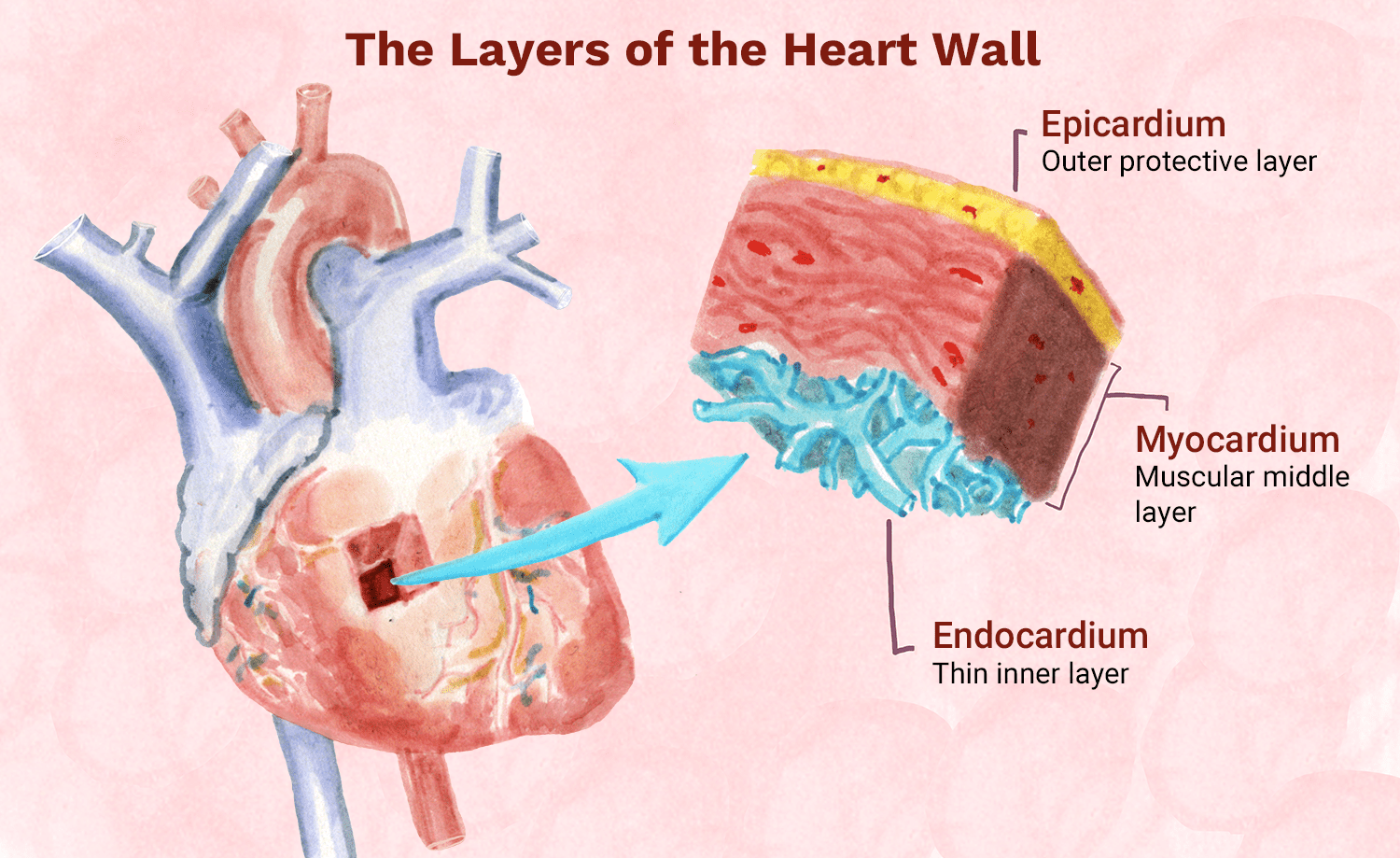
Endocardium
Inner layer
Myocardium
Muscular middle layer
Epicardium
Protective outer layer
Heart chambers
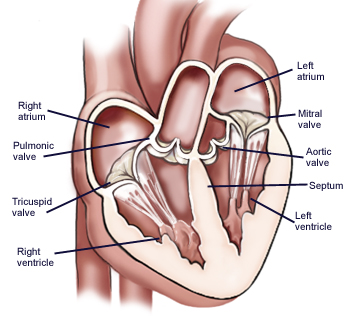
Our heart has four separate chambers. We have two chambers on the top (atrium, plural atria) and two on the bottom (ventricles)
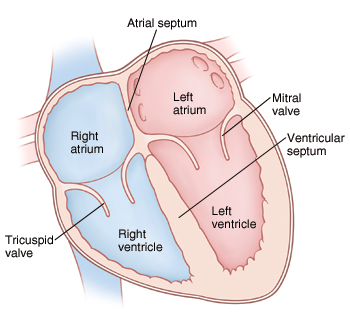
- Atrial septum
- Ventricular septum
Right atrium
Two large veins deliver oxygen-poor blood to your right atrium
Right ventricle
The lower right chamber pumps the oxygen-poor blood to your lungs
Left atrium
The pulmonary veins carry the blood to the left atrium
Left ventricle
The left ventricle is slightly larger than the right
Heart valve
Our heart valves are like doors. They open and close to allow blood to flow through. They also keep your blood from moving in the wrong direction.
- Septum
Atrioventricular valves
The atrioventricular (AV) valves open between your upper and lower heart chambers. They include:
Tricuspid valve
Door between your right atrium and right ventricle
Mitral valve
Door between your left atrium and left ventricle
Semilunar valves
Semilunar (SL) valves open when blood flows out of your ventricles. They include:
Aortic valve
Opens when blood flows out of your left ventricle to your aorta (artery that carries oxygen-rich blood to your body)
Pulmonary valve
Opens when blood flows from your right ventricle to your pulmonary arteries (the only arteries that carry oxygen-poor blood to your lungs)
Blood vessels
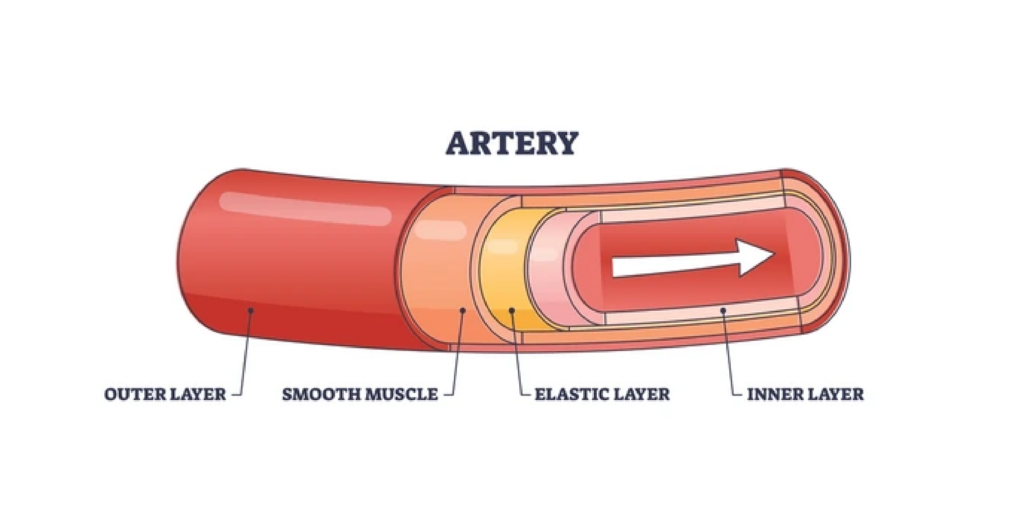
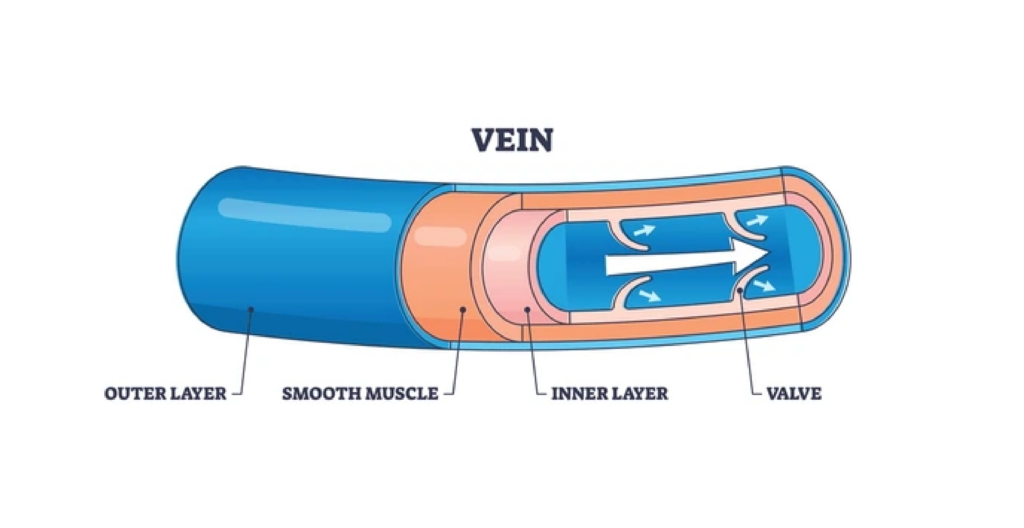
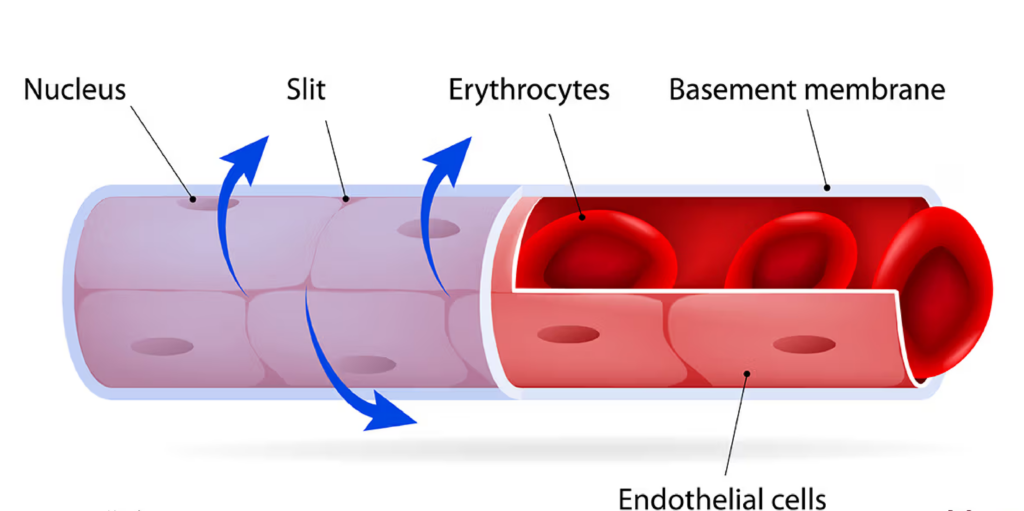
Your heart pumps blood through three types of blood vessels
- Smooth muscle
- Elastic layer
Arteries
- Smooth muscle
Veins
- Nucleus
- Slit
- Erythrocytes
- Basement membrane
- Endothelial cells
Capillaries
Where our heart located?
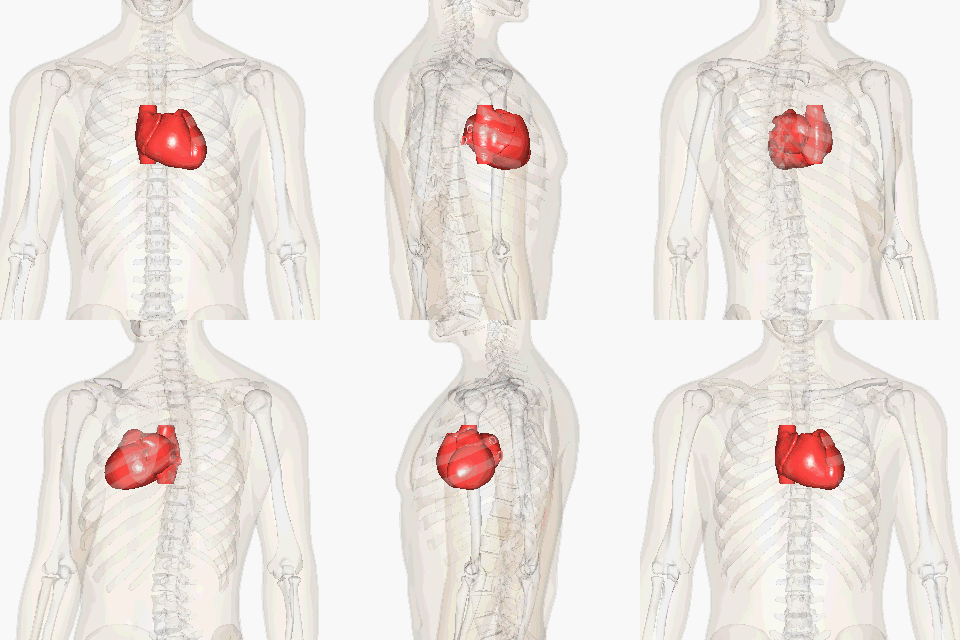
Our heart is in the front of our chest. It sits slightly behind and to the left of your sternum (breastbone), which is in the middle of your chest.
Our heart is slightly on the left side of our body. It sits between our right and left lungs. The left lung is slightly smaller to make our left chest. Your rib cage protects our heart.
What does our heart look like?
Our heart looks a little bit like an upside-down pyramid with rounded edges. Large blood vessels go into and out of our heart to bring blood into and away from our heart. They connect our heart to the rest of our body, which it supplies with blood and oxygen.
Symptoms
A heart attack occurs when an artery that supplies blood to the heart is blocked. Symptoms can include:
Coughing
Chest pain
Pain other body
Shortness of breath
Dizziness
Sweating
Feeling sick
Anxiety
Conditions
Heart conditions are among the most common types of disorders. Common conditions that affect your heart include
Arrhythmia
A heartbeat that’s too fast, too slow or beats with an irregular rhythm.
Cardiomyopathy
Unusual thickening, enlargement or stiffening of your heart muscle.
Congestive heart failure
Your heart is too stiff or too weak to properly pump blood throughout your body.
Coronary artery disease
Plaque buildup that leads to narrow coronary arteries.
Diabetes
Your blood sugar is higher than it should be.
Heart attack (myocardial infarction)
A sudden coronary artery blockage that cuts off oxygen to part of your heart muscle.
Heart valve disease
A valve in your heart isn’t working right.
High blood pressure
Your blood is pushing too hard against your artery walls.
High cholesterol
Your blood has too many fats in it.
Pericarditis
Inflammation in your heart’s lining (pericardium)
Tests Checkup
Tests to check your heart health include:
Blood pressure monitor image
The source image shows a displayed reading without patient or measurement context. A clinically reviewed replacement is required.
Blood Pressure Measurement
A test that measures the force of blood flowing through your arteries when your heart beats
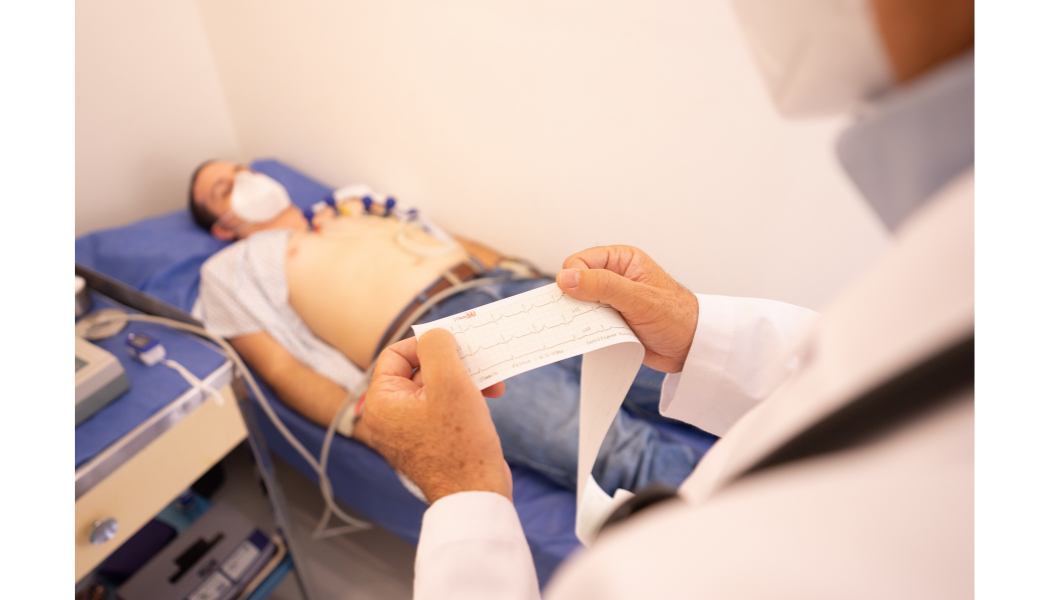
Electrocardiogram (EKG)
A simple, painless test that measures the electrical activity of your heart
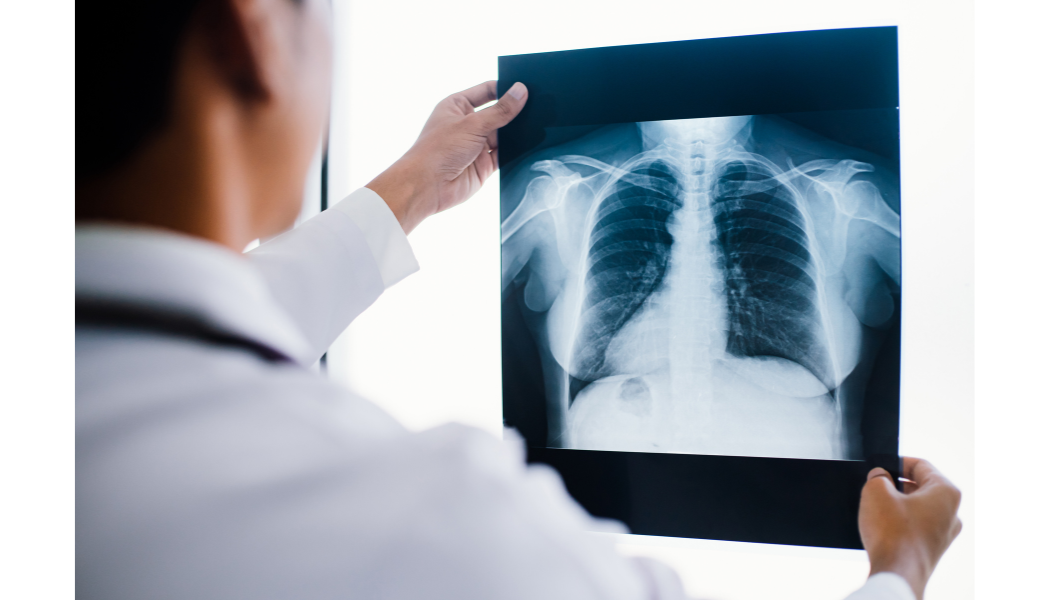
Chest X-ray
Chest X-rays produce images of your heart, lungs, blood vessels, airways, and the bones of the chest and spine
Echocardiogram image
A clear, clinically reviewed procedure image is required.
Echocardiogram
A noninvasive ultrasound scan that uses sound waves to create pictures of the heart
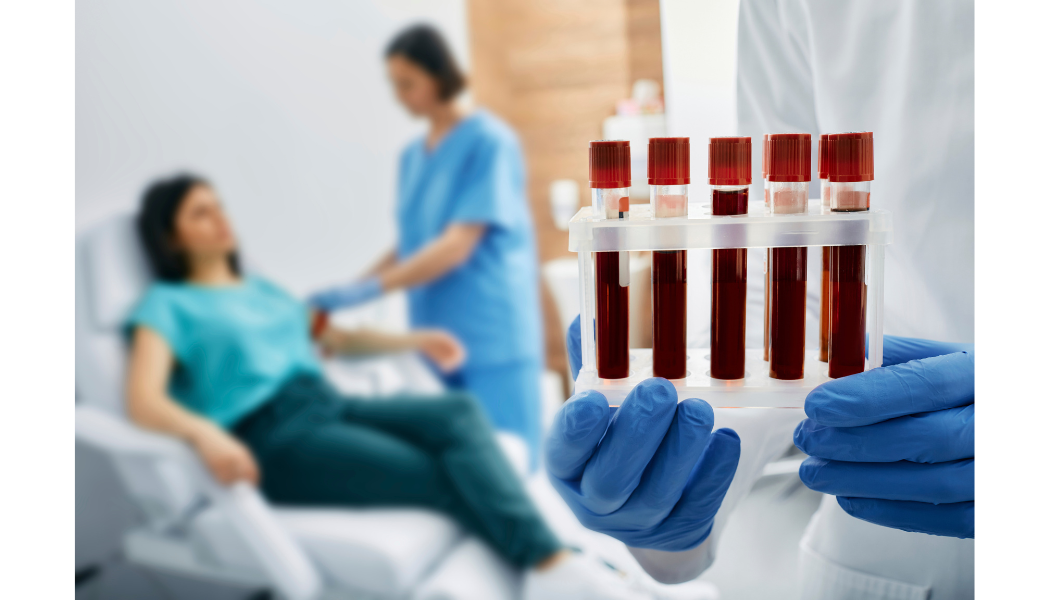
Blood Tests
A lab analysis of a small sample of your blood
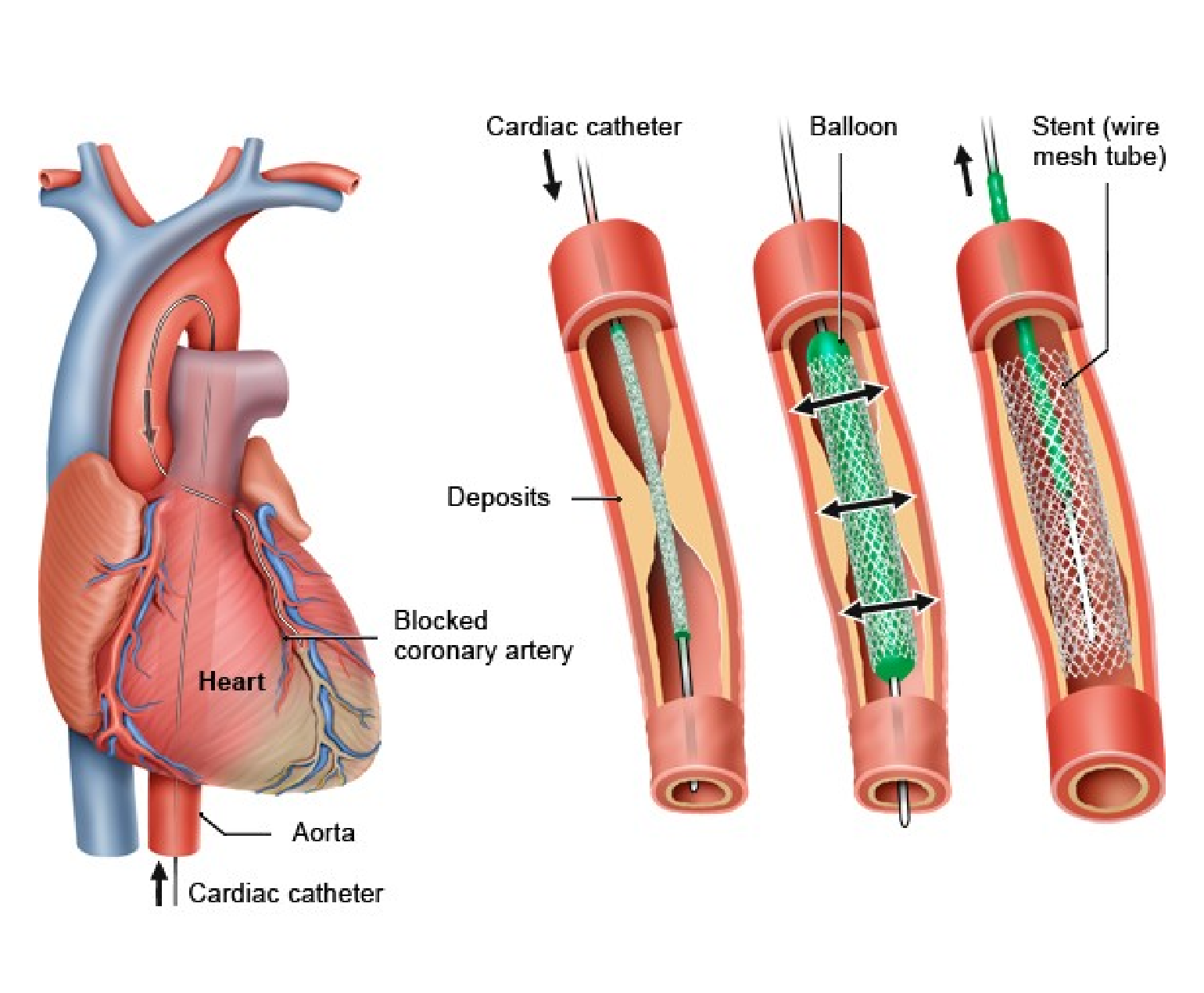
- Cardiac catheter
- Balloon
- Stent
- Deposits
- Blocked coronary artery
Cardiac Catheterization
A test or treatment for certain heart or blood vessel problems, such as clogged arteries or irregular heartbeats
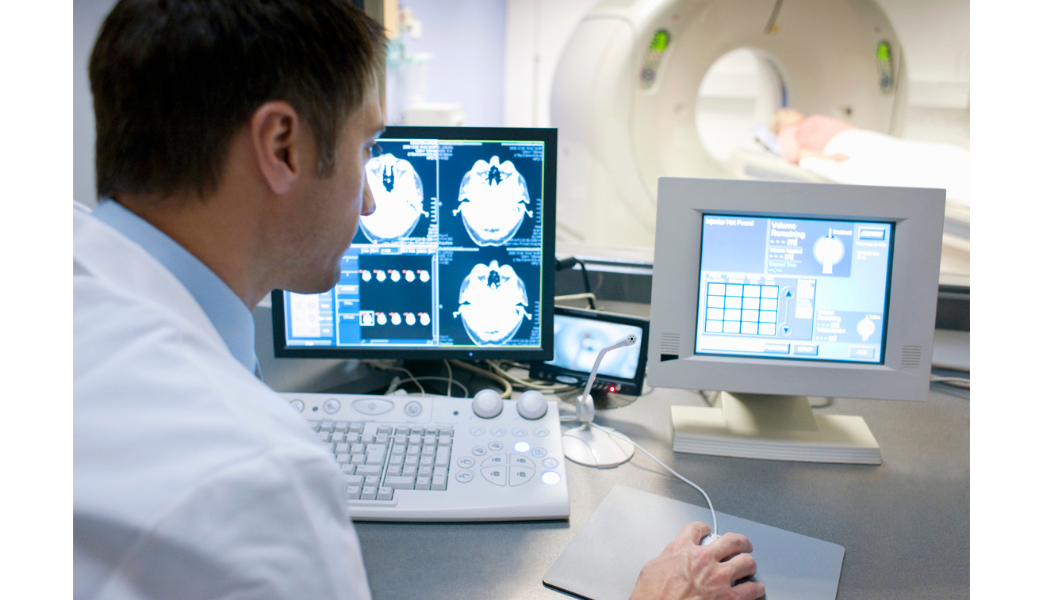
Computed Tomography (CT)
A noninvasive imaging procedure that uses X-rays to create detailed pictures of the inside of the body
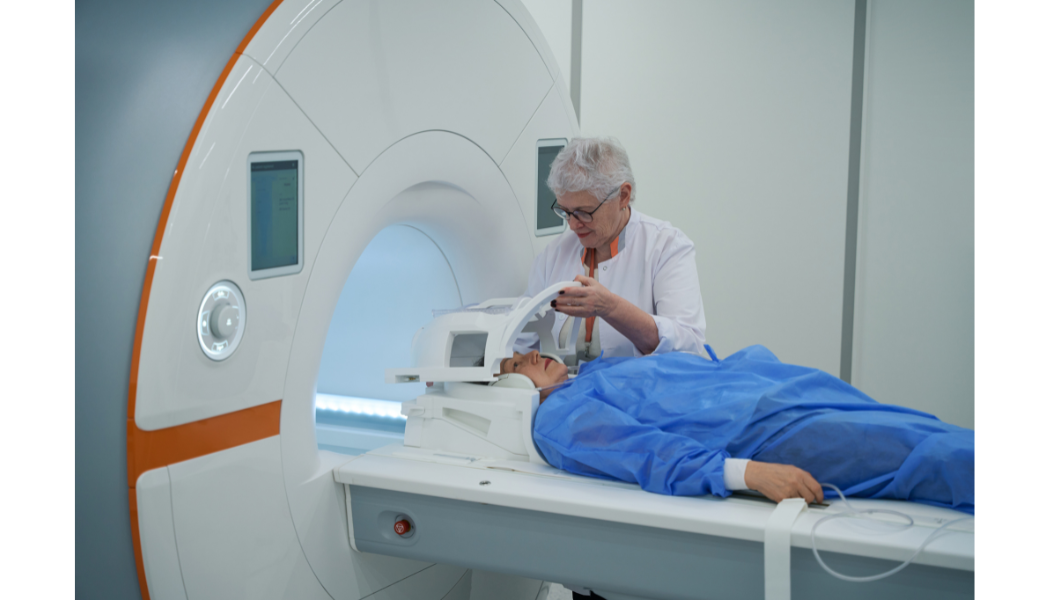
Heart MRI
A magnetic resonance imaging (MRI) technology used for non-invasive assessment of the function and structure of the cardiovascular system
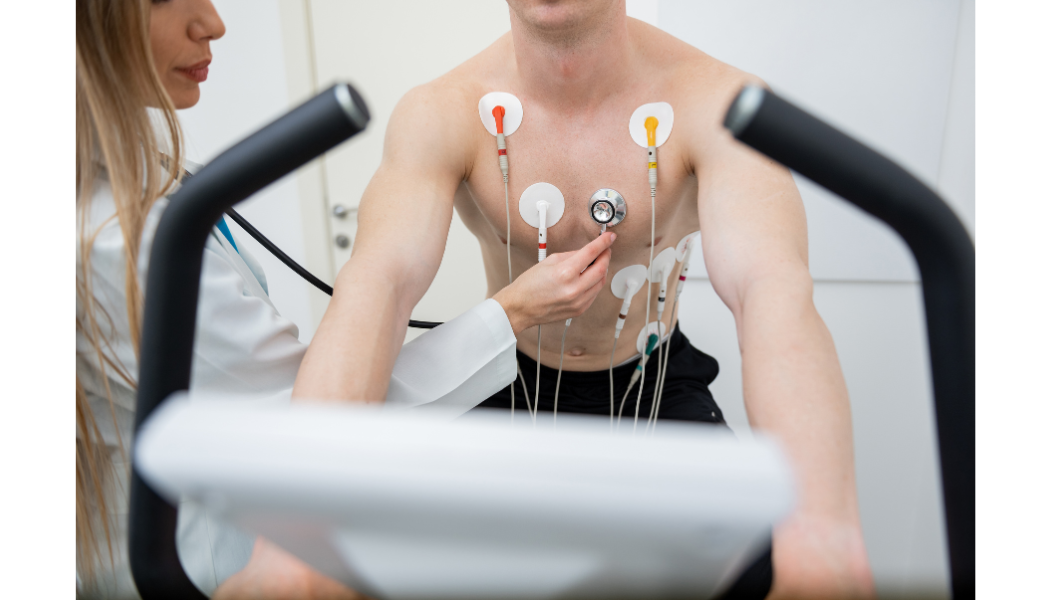
Stress Test
A heart stress test is a method for evaluating heart function and blood flow. It involves exercising or taking medications that simulate the effects of exercise
Thallium stress test image
A clear, clinically reviewed procedure image is required.
Thallium Scan
A small amount of thallium (radioactive substance) is injected into a vein, and a special camera moves around your heart.