
Pneumonia
Background health information. Main sections are listed under “On this page”.
For testing availability, samples, or results, see Services or contact the laboratory.
Pneumonia
Pneumonia
“If u feel affected by Pneumonia, please visit nearest clinic and send your samples to Geneflux”
What is Pneumonia?
Pneumonia is an infection in your lungs caused by bacteria, viruses or fungi. Pneumonia causes your lung tissue to swell (inflammation) and can cause fluid or pus in your lungs. Bacterial pneumonia is usually more severe than viral pneumonia, which often resolves on its own.
Pneumonia can affect one or both lungs. Pneumonia in both of your lungs is called bilateral or double pneumonia.
Type of Pneumonia
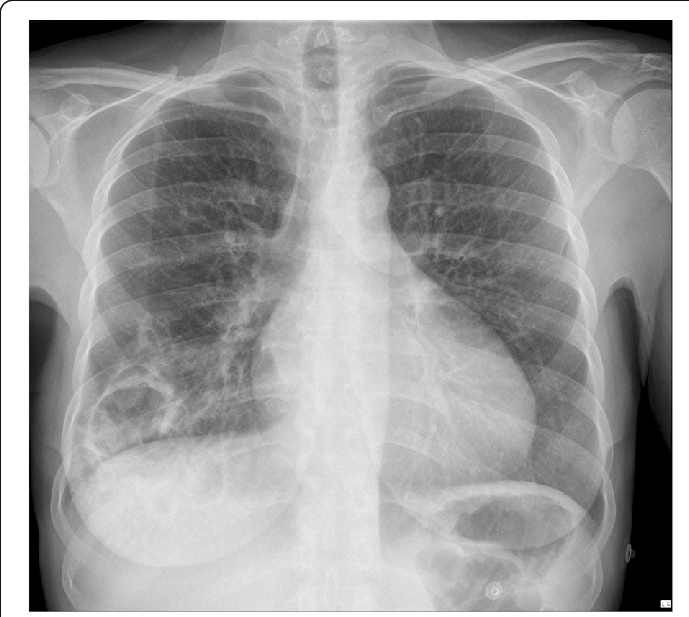
Community-acquired pneumonia (CAP)
Infection with Streptococcus pneumoniae bacteria, also called pneumococcal disease, is the most common cause of CAP. Pneumococcal disease can also cause ear infections, sinus infections and meningitis.
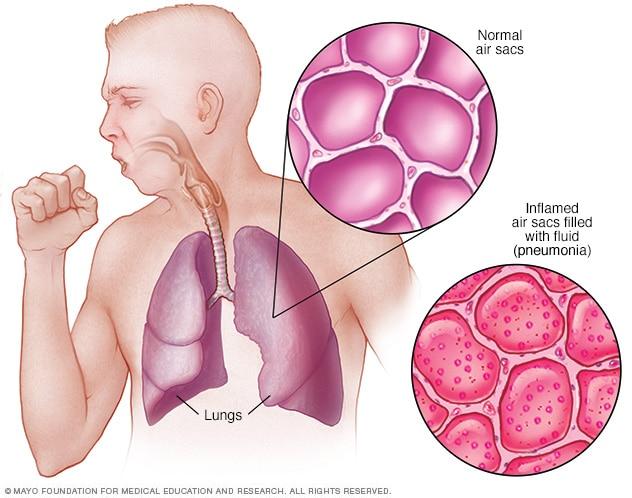
- Normal air sacs
- Inflamed air sacs filled with fluid
Hospital-acquired pneumonia (HAP)
You can get hospital-acquired pneumonia (HAP) while in a hospital or healthcare facility for another illness or procedure. HAP is usually more serious than community-acquired pneumonia because it’s often caused by antibiotic-resistant bacteria, like methicillin-resistant Staphylococcus aureus (MRSA). This means HAP can make you sicker and be harder to treat.
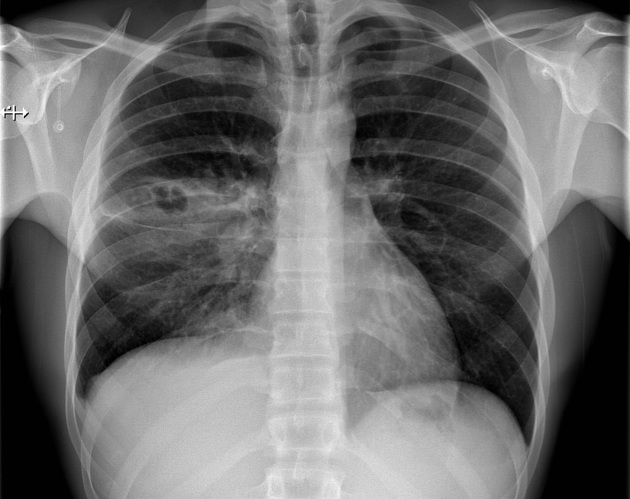
Healthcare-associated pneumonia (HCAP)
You can get HCAP while in a long-term care facility (such as a nursing home) or outpatient, extended-stay clinics. Like hospital-acquired pneumonia, it’s usually caused by antibiotic-resistant bacteria.
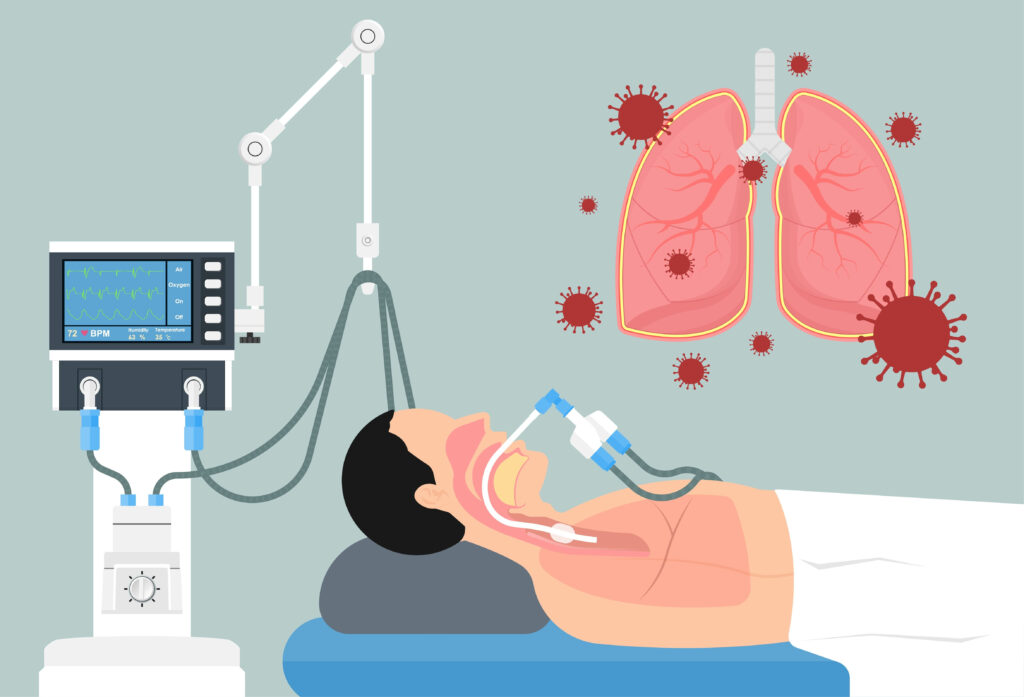
Ventilator-associated pneumonia (VAP)
If you need to be on a respirator or breathing machine to help you breathe in the hospital (usually in the ICU), you’re at risk for ventilator-associated pneumonia (VAP). The same types of bacteria as community-acquired pneumonia, as well as the drug-resistant kinds that cause hospital-acquired pneumonia, cause VAP.
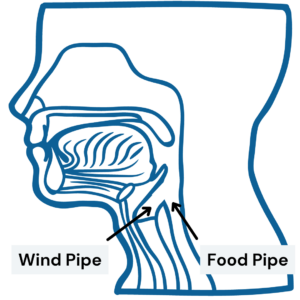
- Food pipe
Aspiration pneumonia
Aspiration is when solid food, liquids, spit or vomit go down your trachea (windpipe) and into your lungs. If you can’t cough these up, your lungs can get infected.
Symptoms if you had pneumonia
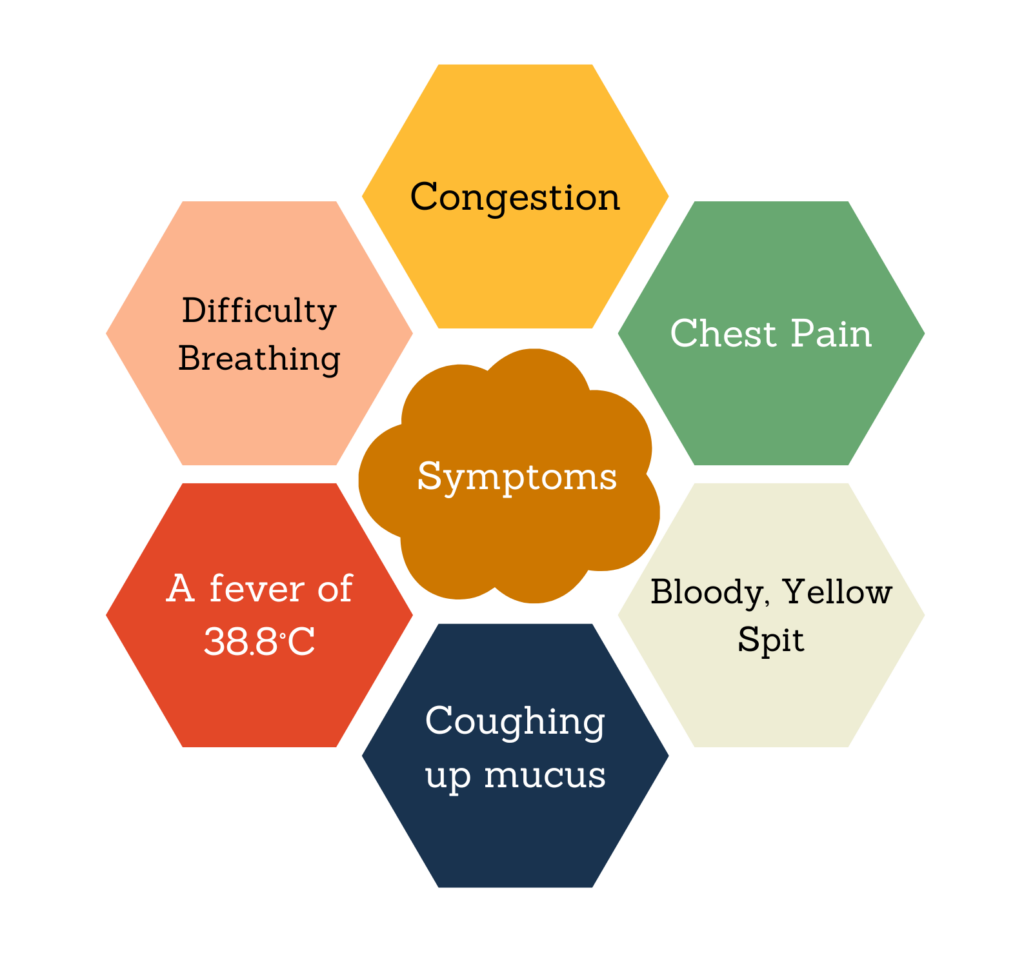
- Congestion
- Chest pain
- Bloody or yellow spit
- Coughing up mucus
- Fever of 38.8°C
- Difficulty breathing
Who is most at risk of getting pneumonia?
Age over 65
Age under 2
Person with a heart condition
Examples include cystic fibrosis, asthma, chronic obstructive pulmonary disease, emphysema, pulmonary fibrosis or sarcoidosis.
Neurological Condition
Conditions like dementia, Parkinson’s disease and stroke increase your risk of aspiration pneumonia.
Smoke
In fact, people who smoke are about 1.5 times more likely to develop pneumonia than nonsmokers.
Pregnant
Yes, pregnant women are at risk of getting pneumonia, and it can have serious consequences for both the mother and the fetus.
Weakened immune system
You might have a weakened immune system if you’re on chemotherapy, are an organ transplant recipient, are living with HIV/AIDS or are taking medications that suppress your immune system.