
What is Bacteria?
Background health information. Main sections are listed under “On this page”.
For testing availability, samples, or results, see Services or contact the laboratory.
What is Bacteria?
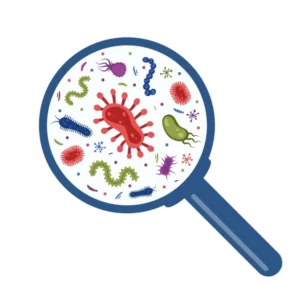
Bacteria are common, primarily free-living creatures that frequently only have one biological cell. They make up a sizable portion of the prokaryotic microbial community. Bacteria, which are typically a few micrometers in length, are found in the majority of the planet’s ecosystems and were among the first living forms to emerge.
Type of Bacteria
The scientific name of the bacteria is one method that scientists categorize them. The genus and species of the bacteria are included in the scientific name, which is based on the bacteria’s features.
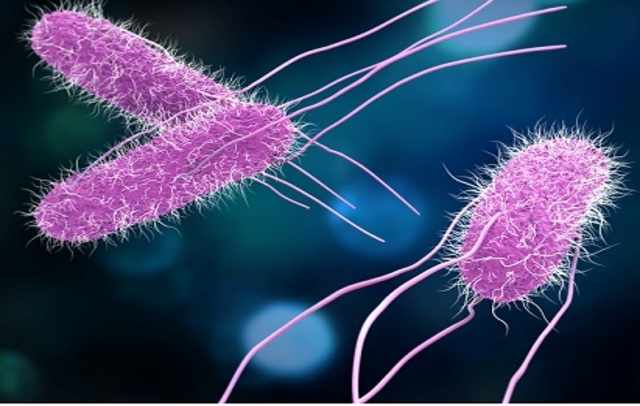
Salmonella
Gram-negative, rod-shaped bacteria belonging to the Enterobacteriaceae family make up the genus Salmonella. Salmonella enterica and Salmonella bongori are the two species of Salmonella that are currently recognized. The basic species, S. enterica, is further subdivided into six subspecies, which comprise more than 2,650 serotypes.
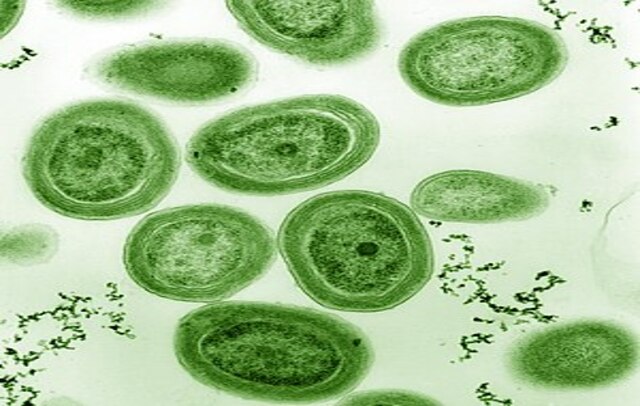
Cyanobacteria
The autotrophic gram-negative bacterial phylum Cyanobacteria, commonly known as Cyanobacteriota or Cyanophyta, is capable of obtaining biological energy by oxygenic photosynthesis. The term “cyanobacteria” describes their cyan, or blue green, hue.
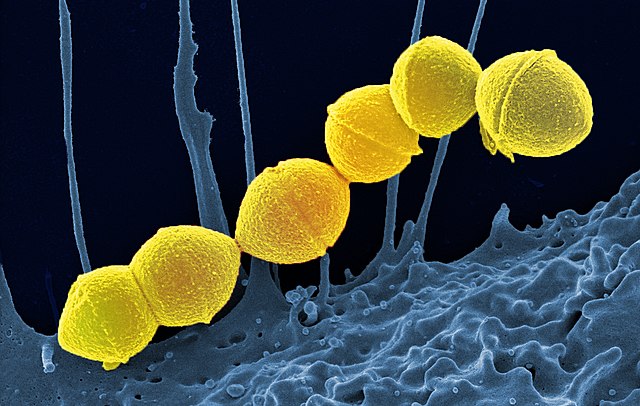
Streptococcus
Gram-positive or spherical bacteria in the genus Streptococcus are members of the Streptococcaceae family, which is a subfamily of the Lactobacillales order and phylum Bacillota. Because streptococci only divide along one axis, they often grow in pairs or chains that may appear twisted or bent.
Staphylococcus
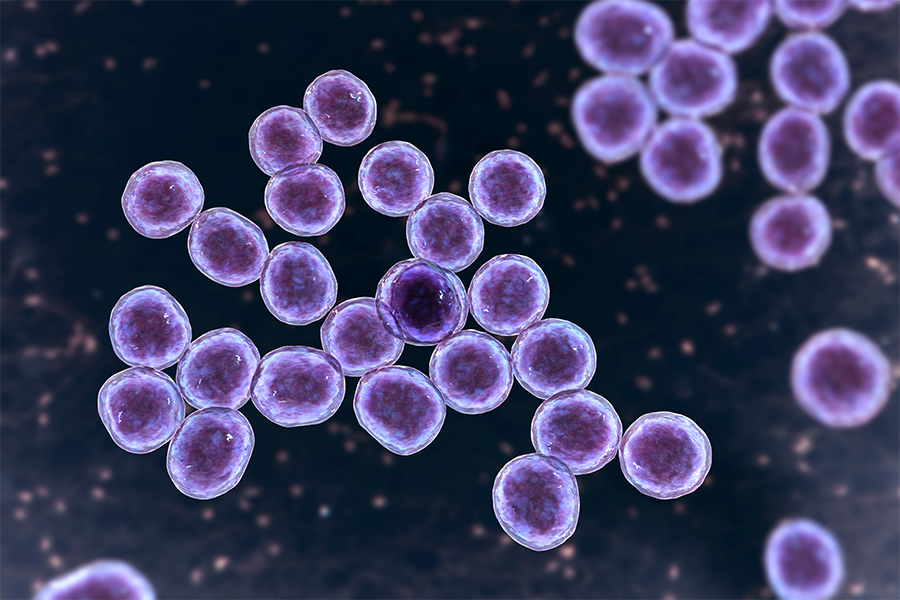
Staphylococcus is a genus of Gram-positive bacteria belonging to the Bacillales order’s Staphylococcaceae family. They create clusters that resemble grapes and seem spherical when viewed under a microscope. Some species of Staphylococcus are facultative anaerobics.
Mycoplasma
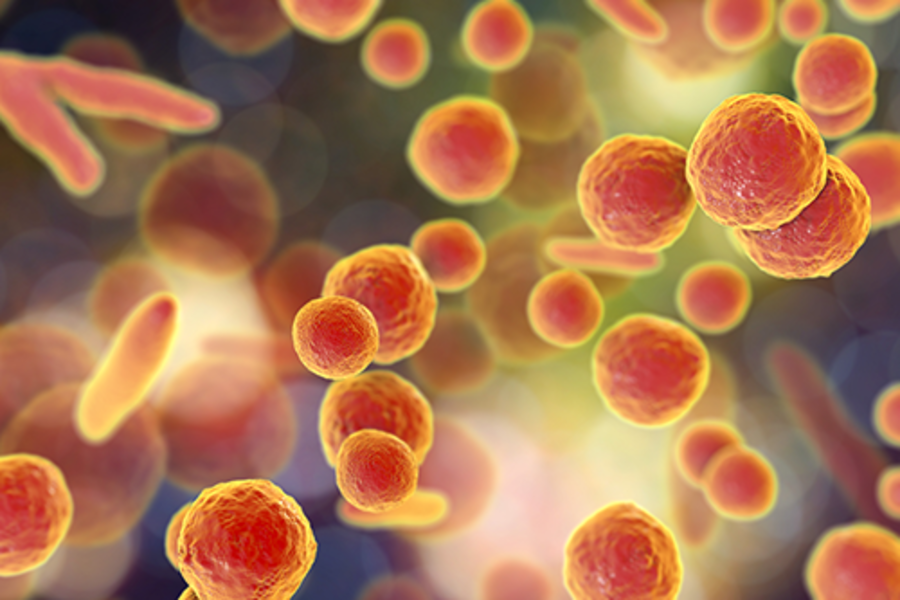
Like the other bacteria in the class Mollicutes, the genus Mycoplasma lacks a cell wall and the peptidoglycan that surrounds it. They are inherently resistant to antibiotics, including beta-lactam antibiotics that interfere with the formation of cell walls, since they lack peptidoglycan.
E.coli
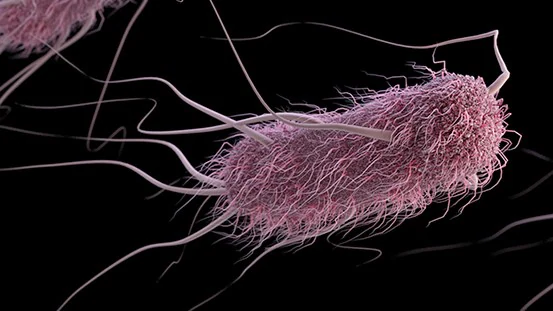
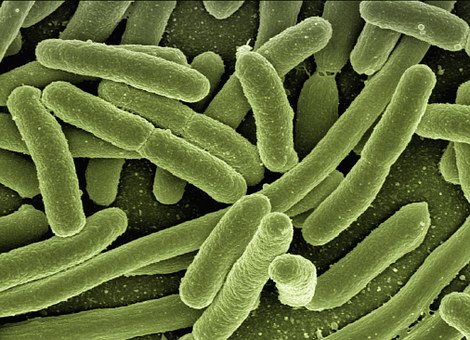
Escherichia coli is a rod-shaped, facultatively anaerobic, gram-negative coliform bacteria that is frequently found in warm-blooded species’ lower intestines. While the majority of E. coli strains are benign, some serotypes, such EPEC and ETEC, are harmful.
Bacillus
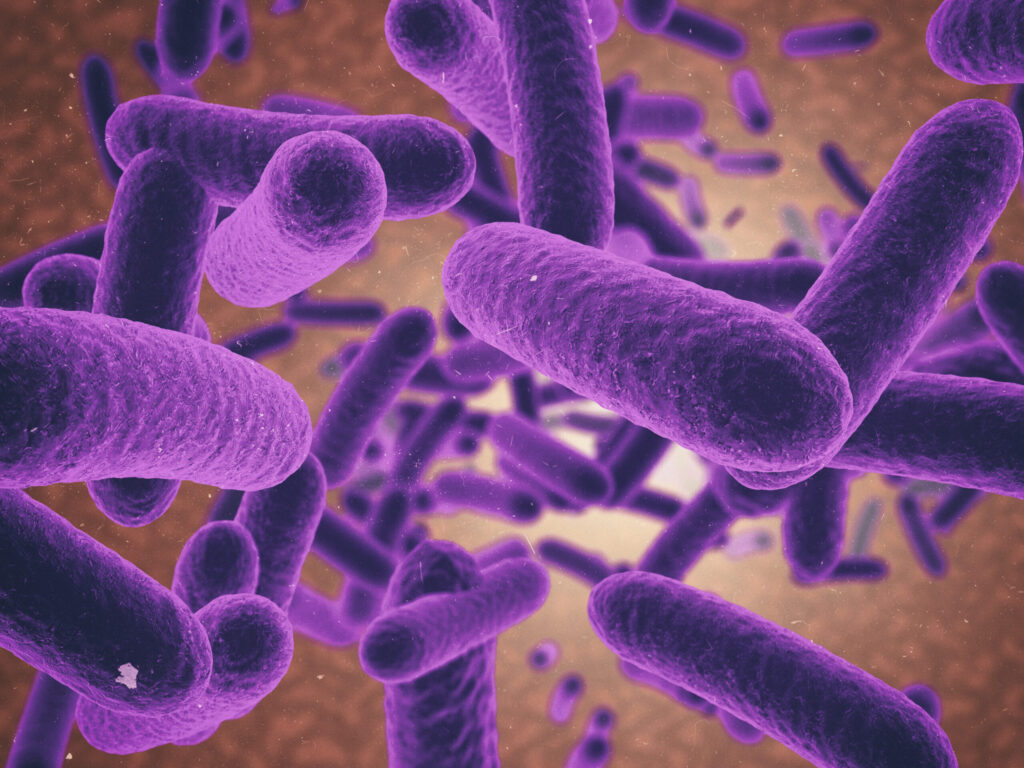
Bacillus is a genus of Gram-positive, rod-shaped bacteria, a member of the phylum Bacillota, with 266 named species. The term is also used to describe the shape of other so-shaped bacteria; and the plural Bacilli is the name of the class of bacteria to which this genus belongs.
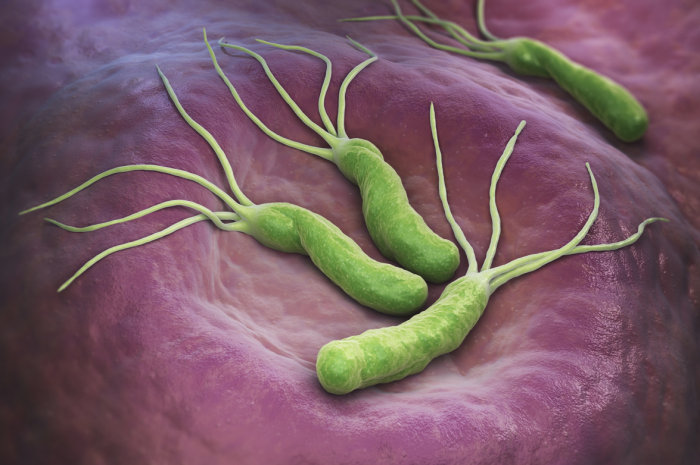
Helicobacter pylori
The gram-negative, flagellated, helical bacterium Helicobacter pylori was once known as Campylobacter pylori. Mutants that are less virulent may have a rod-like or curved-rod form. With the aid of its flagella, its helical body—from which the genus name Helicobacter is derived—is believed to have evolved to infiltrate the stomach’s mucous lining and cause infection.
Lactobacillus
The genus Lactobacillus contains rod-shaped, microaerophilic, gram-positive, aerotolerant anaerobes that do not produce spores. The genus Lactobacillus included more than 260 species that were diversified in terms of phylogeny, ecology, and metabolism until 2020. A taxonomic revision of the genus placed lactobacilli into 25 genera.
Pseudomonas
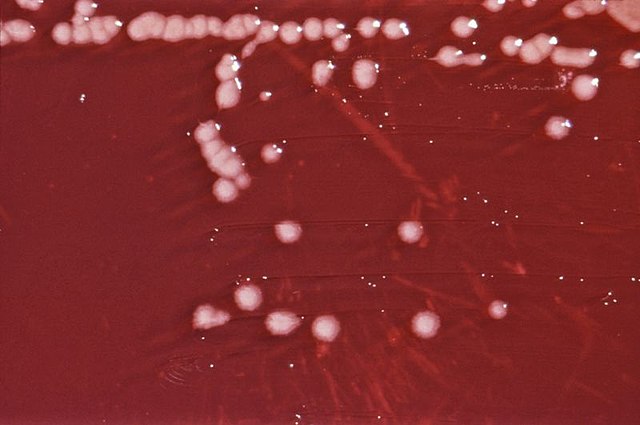
Gram-negative bacteria in the genus Pseudomonas are members of the class Gammaproteobacteria and family Pseudomonadaceae. The genus’ 313 species exhibit a high degree of metabolic diversity, which allows them to occupy a variety of niches.