
What is Virus?
Background health information. Main sections are listed under “On this page”.
For testing availability, samples, or results, see Services or contact the laboratory.
What is Virus?

Viruses are microscopic pathogens that can infect people and cause illness. They can infect bacteria, fungi, plants, animals, and people. Only particular host types are infected by each.
Type of Virus
Based on common characteristics, including as size, shape, and the kind of genetic material they carry, experts classify viruses into families and genera. You may have heard of the following common virus types:

Norovirus
The most frequent cause of gastroenteritis is norovirus, sometimes called Norwalk virus and sometimes called the winter vomiting disease. Vomiting, stomach pain, and non-bloody diarrhea are signs of infection. Headaches or fever are also possible.
Epstein-Barr virus
One of the nine recognized human herpesvirus kinds in the herpes family, the Epstein-Barr virus (officially known as Human Gammaherpesvirus 4) is one of the most prevalent viruses in people. EBV is a virus with double-stranded DNA.


Retrovirus
A retrovirus is a particular kind of virus that alters the genome of the host cell it infects by inserting a copy of its RNA genome into the DNA of the infected cell.
Canine parvovirus
Dogs and wolves are the primary hosts of the infectious canine parvovirus, often known as CPV, CPV2, or parvo. Dogs can contract CPV from one another by coming into direct or indirect contact with each other’s excrement.

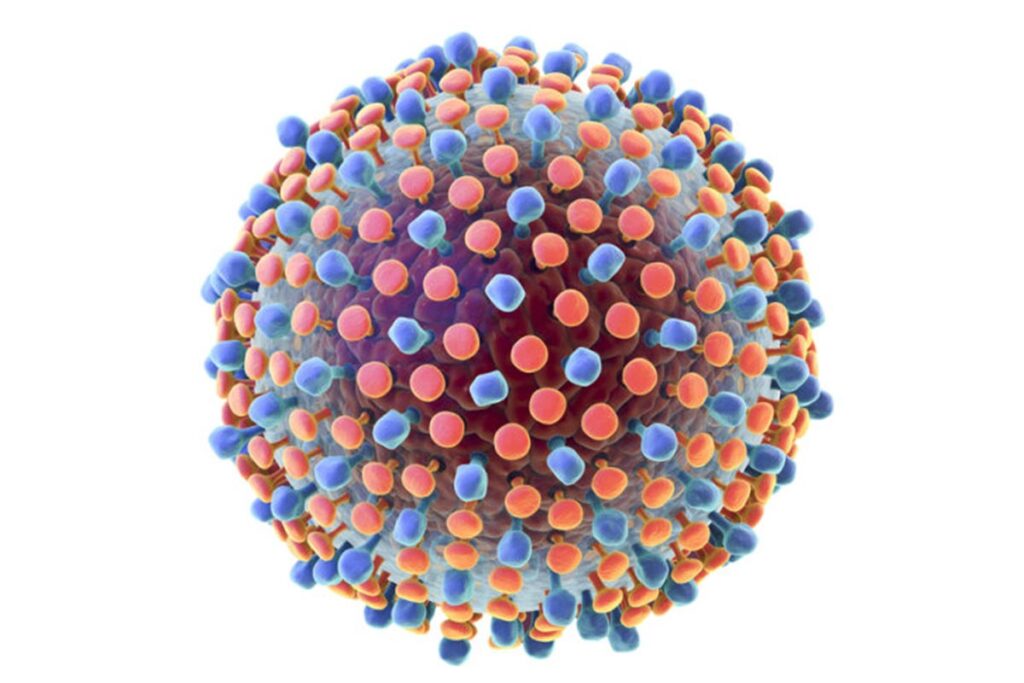
Hepatitis C Virus
The hepatitis C virus is a small, enveloped, positive-sense single-stranded RNA virus of the family Flaviviridae. The hepatitis C virus is the cause of hepatitis C and some cancers such as liver cancer and lymphomas in humans.
Adenovirus
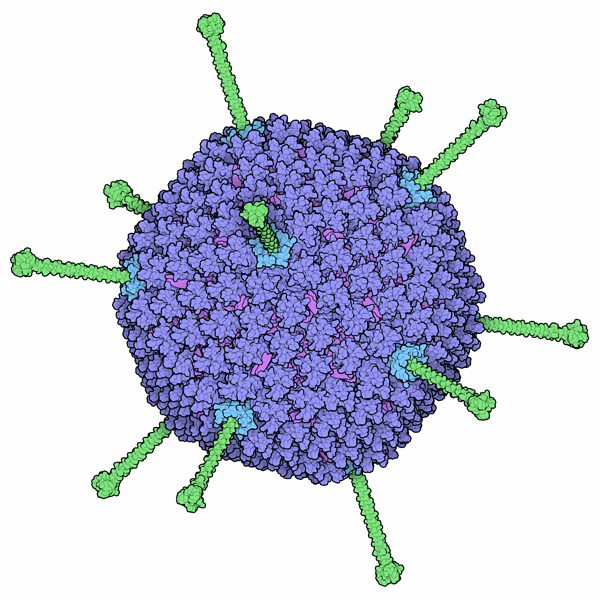
Adenoviruses are medium-sized, nonenveloped viruses that have a double-stranded DNA genome inside their icosahedral nucleocapsid. They were first isolated from human adenoids in 1953, which is where their name comes from.

Herpesviruses
Animals, including humans, can contract infections and some diseases from the broad family of DNA viruses known as Herpesviridae. Herpesviruses are another name for the members of this family.
Bornavirus
The family Bornaviridae belongs to the Mononegavirales order of negative-strand RNA viruses. Natural hosts include humans, rats, sheep, cattle, horses, birds, and reptiles. Bornaviruses are another name for them.

Hepatitis B Virus
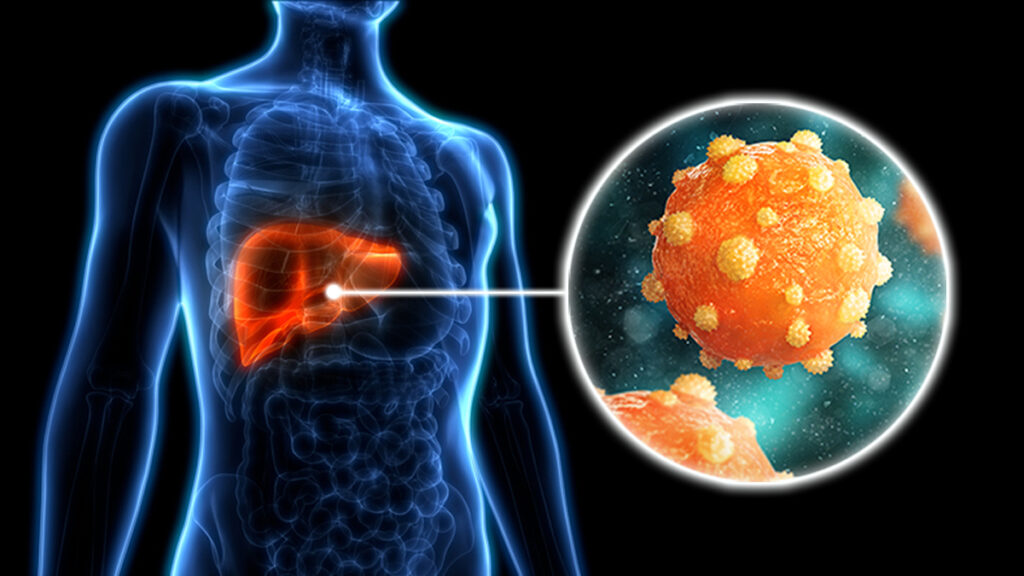
Hepatitis B, a form of viral hepatitis, is an infectious disease that damages the liver and is brought on by the hepatitis B virus (HBV). Both acute and chronic infections may result from it.
Dengue Virus
The sickness known as dengue fever is brought on by the dengue virus, which is contracted by mosquito bites.
Dengue section image review
The source image is placed with the Dengue Virus section, but its filename identifies Zika Virus. The intended subject requires review before publication.