
What is Lung
Background health information. Main sections are listed under “On this page”.
For testing availability, samples, or results, see Services or contact the laboratory.
What is Lung
What is Lung?
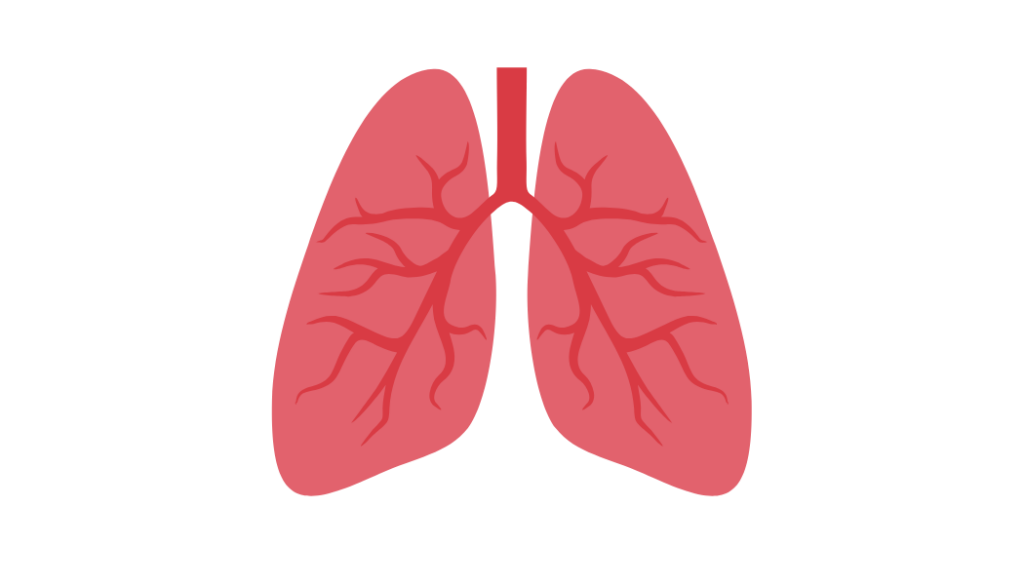
Lungs, which is the respiratory system, made up of various organs and tissues, relies heavily on the lungs to facilitate breathing.
You have two lungs, one on each side of your chest, also known as the thorax, which is the part of your body located between the neck and abdomen.
Left Lung
Your left lung has two lobes: the superior and the interior. Your left lung is smaller than the right because your heart is where the middle lobe on your left lung would be.
Right Lung
The lung on your right side is divided into three lobes: the superior, the middle and the inferior. It’s shorter than your left lung, but also wider than your left lung.
Function of Lung
Respiratory anatomy animation
A licensed, clinically reviewed replacement is required before publication.
Your lungs make oxygen available to your body and remove other gases, such as carbon dioxide, from your body. This process takes place 12 to 20 times per minute.
Respiratory anatomy animation
The source animation contains a third-party watermark. A licensed, watermark-free visual is required.
When you inhale through your nose or mouth, air travels down your pharynx (back of your throat), passes through your larynx (voice box) and into your trachea (windpipe).
Your respiratory system prevents harmful substances from entering your lungs by using:
- Small hairs in your nose that act as an air-cleaning system and help filter out large particles.
- Mucus produced in your trachea and bronchial tubes to keep air passages moist and help catch dust, bacteria and other substances.
- The sweeping motion of cilia (small hairs in your respiratory tract) to keep air passages clean. One of the reasons that cigarette smoke is dangerous is that it stops cilia from working properly.
Interesting facts
-
You can have lobes of your lung removed and live. You can even live with only one lung.
-
Lungs are the only organs in your body that will float.
-
Exercise can help you increase your lung capacity.
-
A typical adult has 300 million to 500 million alveoli.
Anatomy
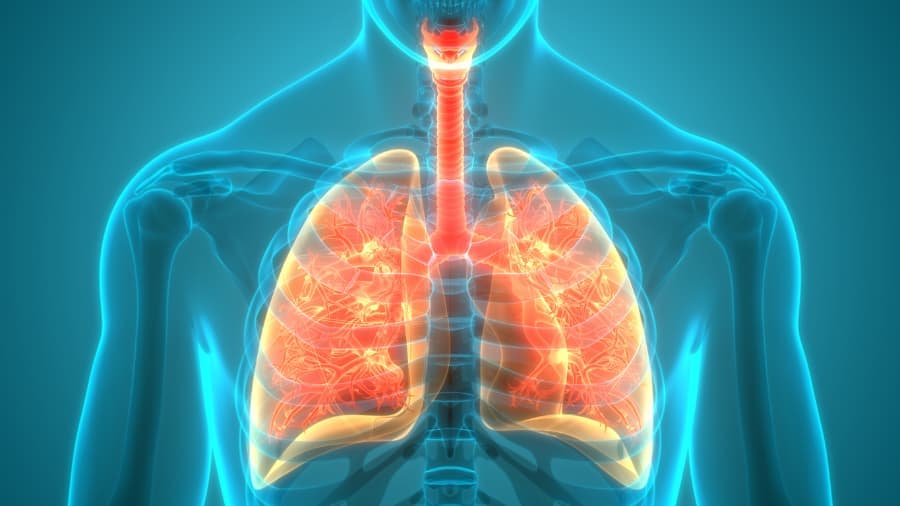
Lungs Location
Your lungs are situated in your chest, also known as the thorax. The space that houses your lungs and other organs is called the thoracic cavity. They rest on a muscle called the diaphragm.
Lungs Appearance
Healthy lungs have a pinkish-gray color. You may have seen photos comparing the lungs of smokers to those of non-smokers. Damaged lungs appear darker gray and may have black spots.
Comparison
This is example of healthy lung. Healthy lungs are vital organs that efficiently supply oxygen to the body and remove carbon dioxide.
This is example of damaged lung. Damaged lungs have reduced ability to supply oxygen and remove carbon dioxide, leading to breathing difficulties.
Lung comparison image
The source image contrasts two lungs. Its clinical interpretation requires review.
Diseases
Asbestosis
Inhaling asbestos fibers causes scars on your lungs and pleural tissue
COPD
This is a progressive breathing disorder that can’t be reversed
Influenza
This lung disease, known as the flu, is caused by a virus
Pulmonary Fibrosis
Scarring of your lungs causes breathing difficulty. It isn’t curable
Asthma
Airway tightening makes breathing difficult
COVID-19
This infection can cause mild or severe respiratory illness
Lung Cancer
A major risk factor for developing lung cancer is smoking cigarettes
Pulmonary Nodules
These growths in your lungs are mainly benign (noncancerous)
Bronchiectasis
Inflamed bronchi cause you to cough up mucus and have trouble breathing
Croup
This respiratory infection happens in children under the age of 5
Mesothelioma
This type of cancer is mainly caused by breathing in asbestos fibers
Respiratory Syncytial Virus
This respiratory infection can happen in children and adults
Bronchitis
The main characteristic of this condition is coughing. Bronchitis can be acute or chronic
Cystic Fibrosis
This inherited condition causes sticky mucus to build up in your lungs and other organs
Pneumonia
This lung infection causes fluid in your lungs and can lead to hospitalization
Tuberculosis
This infection affects your lungs, but can also affect other body parts
Symptoms
Shortness of breath
Chest pain
Cough
Fatigue
Wheezing
Swelling
Common Tests
During a physical examination, your healthcare provider can assess various aspects of your health. They are able to:
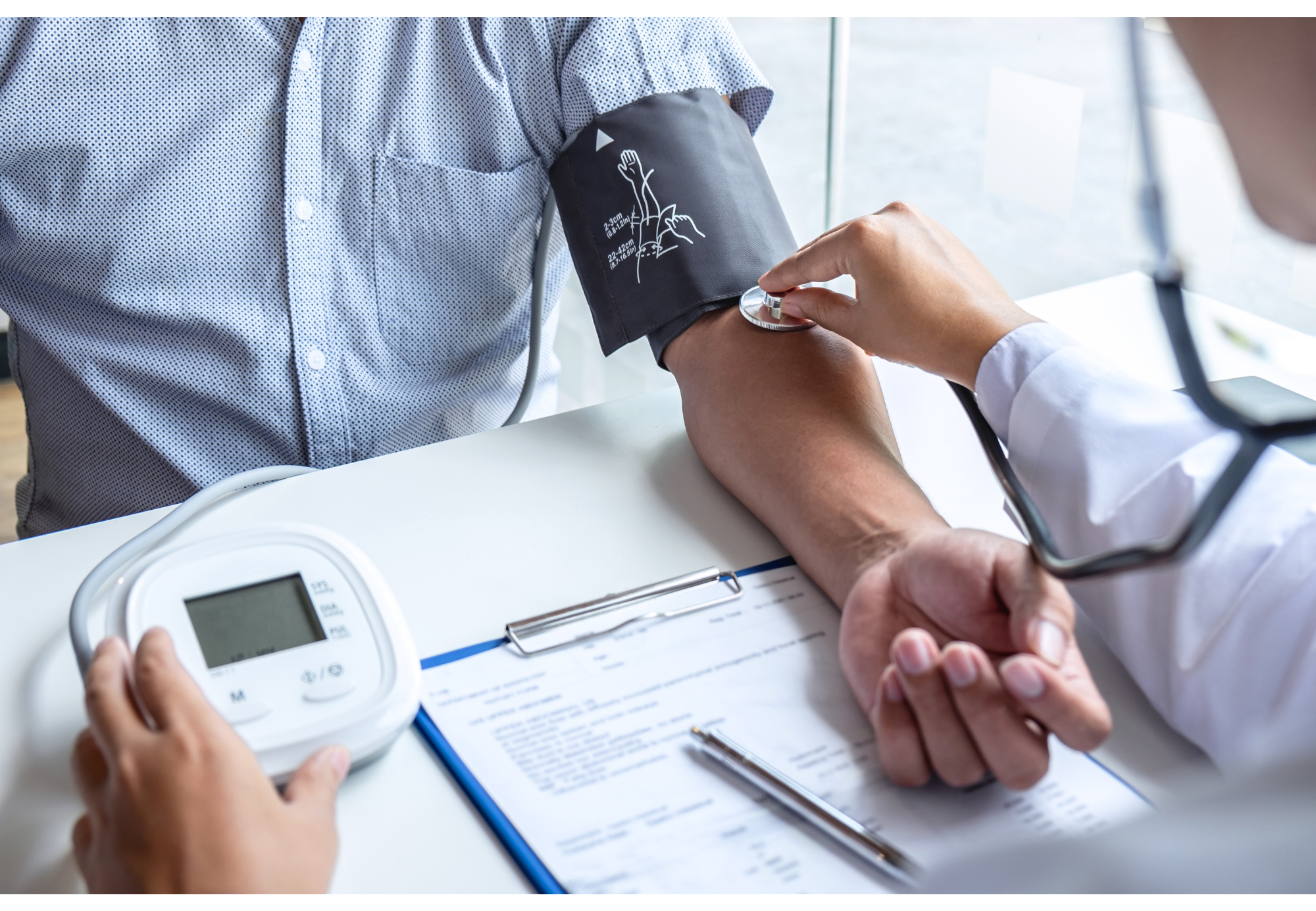
Listen for lung sounds, including those that may indicate a problem, such as crackles (rales), wheezing, and stridor (a high-pitched noise).

Count the number of breaths you take (your respirations)
Hear a change in your voice while they’re listening to your lungs.
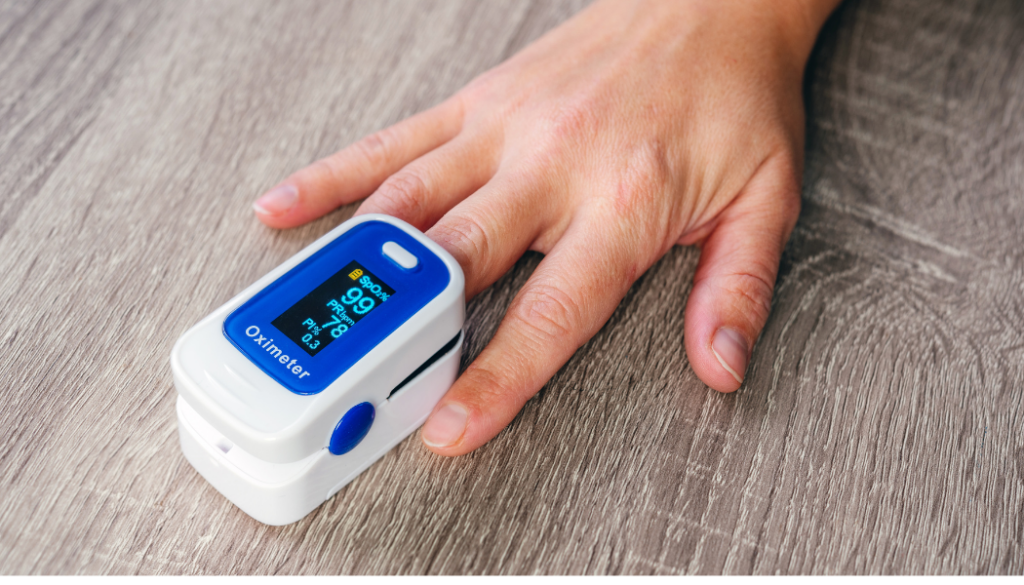
Use a device called a pulse oximeter to measure the oxygen levels in your blood.
Imaging Tests
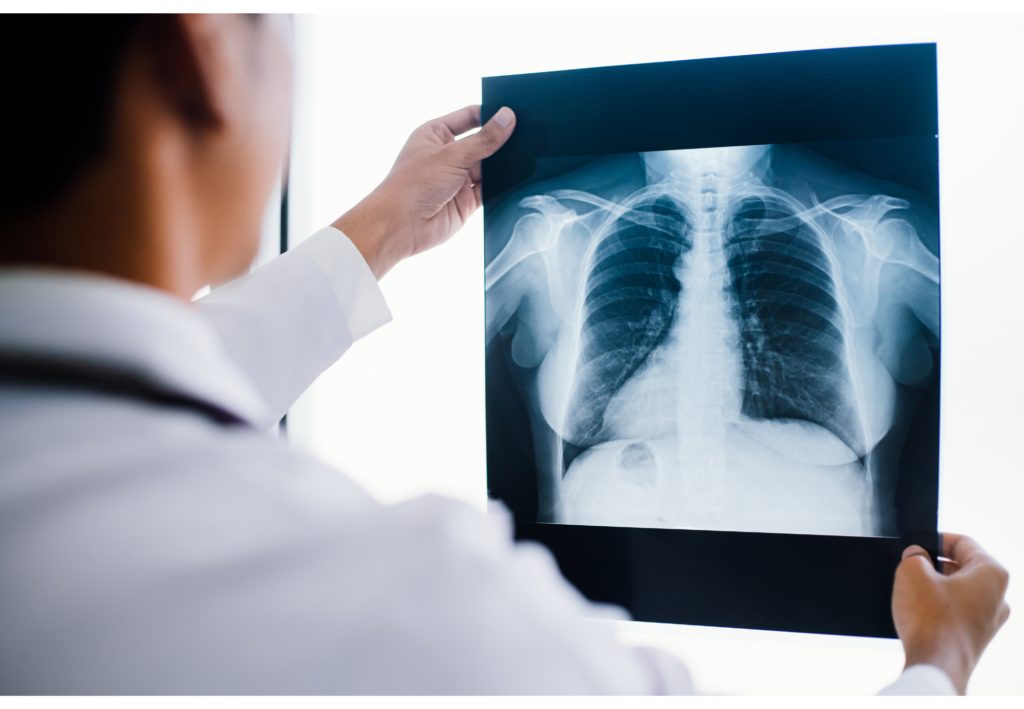
Chest X-ray
A chest X-ray is a quick and painless imaging test that uses low-dose radiation to capture images of the lungs, heart, ribs, and other structures in the chest. It helps diagnose conditions like pneumonia, lung disease, fractures, and heart problems.
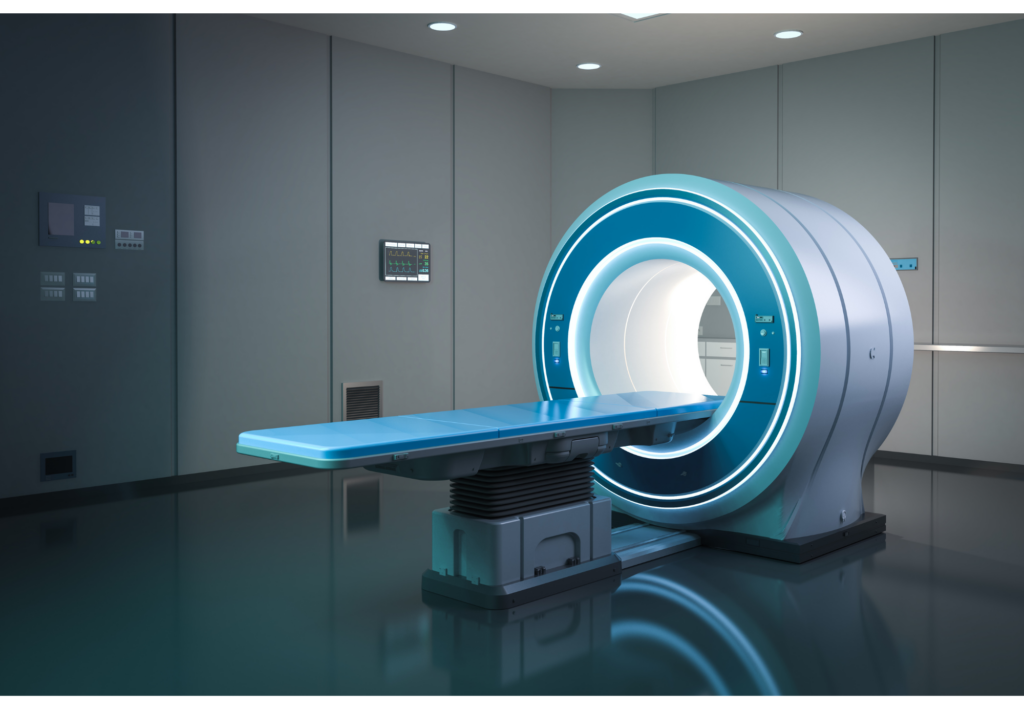
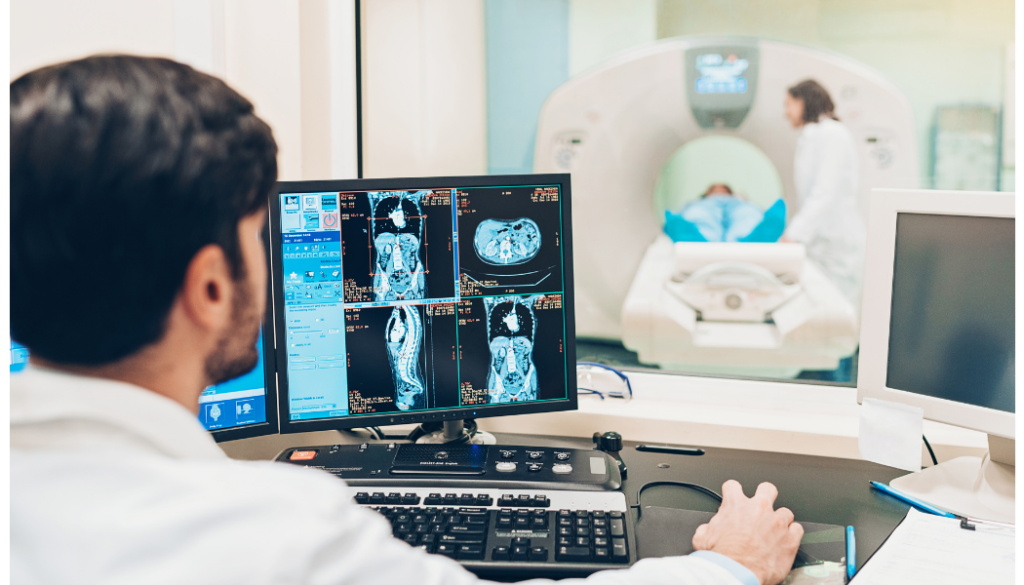
(CT) Scan
A Computed Tomography (CT) scan is a medical imaging technique that uses X-rays and computer processing to create detailed cross-sectional images of the body. It helps diagnose diseases, detect injuries, and guide treatment by providing clear views of organs, bones, and tissues.
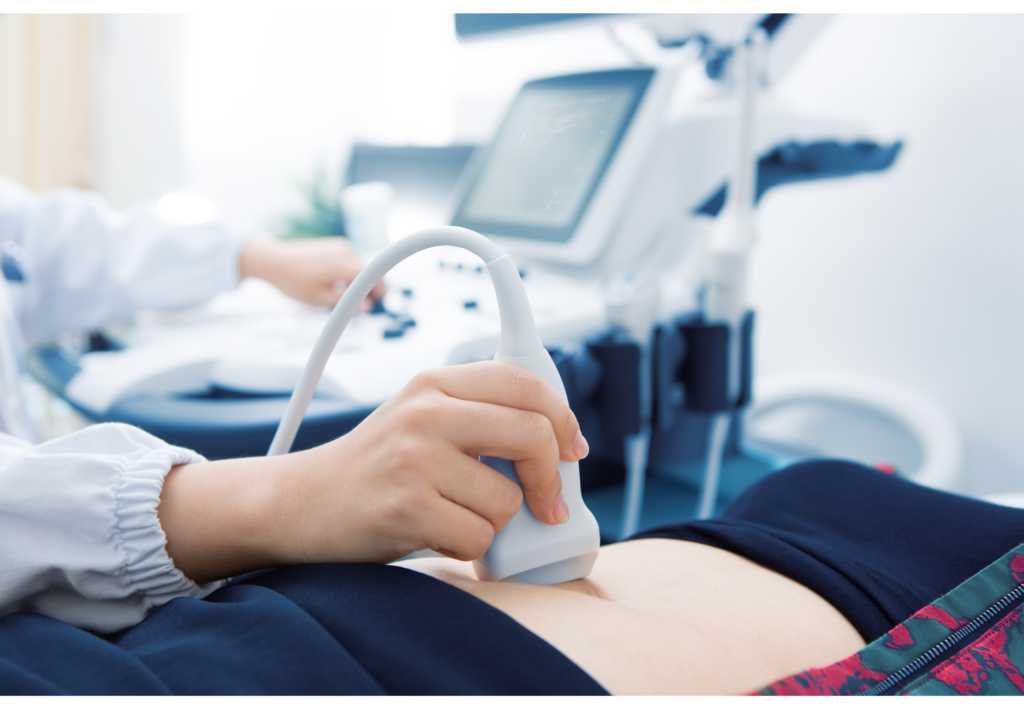
Ultrasound
Ultrasound is a medical imaging technique that uses high-frequency sound waves to produce real-time images of internal organs, tissues, and blood flow. It is widely used for diagnosing conditions, monitoring pregnancies, and guiding medical procedures, all without radiation exposure.
MRI Scan
Magnetic Resonance Imaging (MRI) is a medical imaging technique that uses strong magnets and radio waves to create detailed images of internal organs and tissues. It is widely used for diagnosing diseases, evaluating injuries, and guiding treatments without radiation exposure.
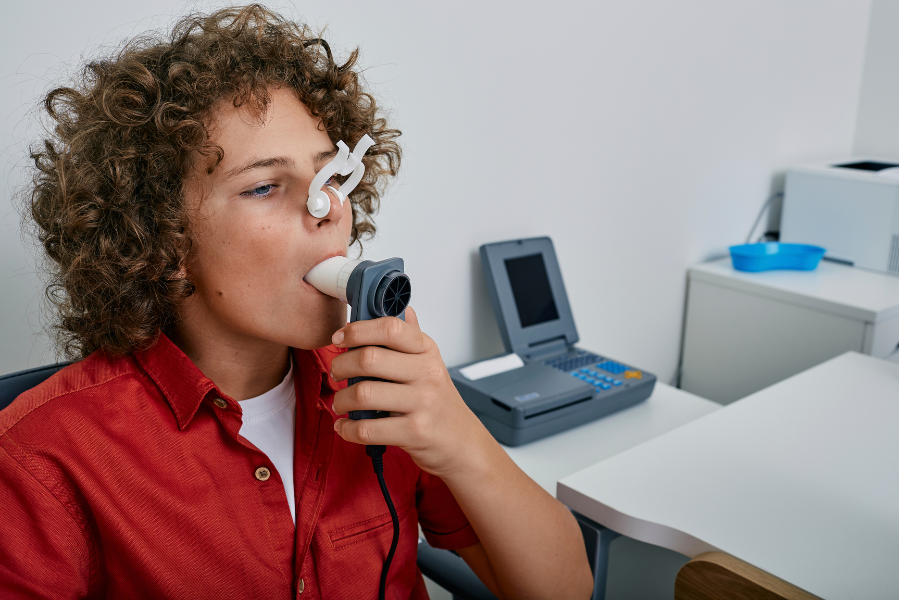
Pulmonary Function Testing
Pulmonary function tests (PFTs) assess how effectively your lungs function by measuring the amount of air you inhale and exhale, the transfer of oxygen from your lungs to your blood, and your lung performance during physical activity.
Medical Devices
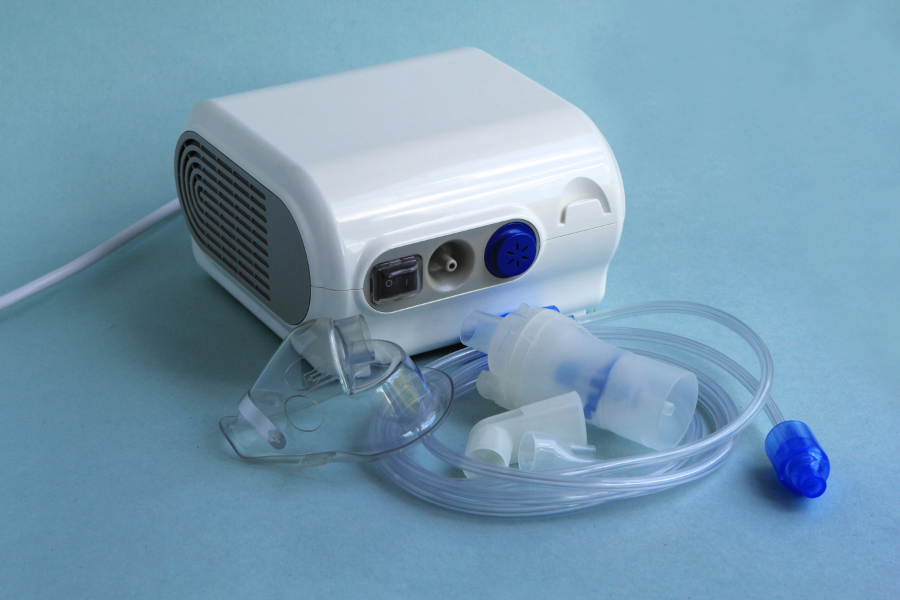
Nebuliser
A nebulizer is a device that delivers medication into the lungs as a mist. It’s commonly used to treat asthma, cystic fibrosis, and other respiratory conditions.
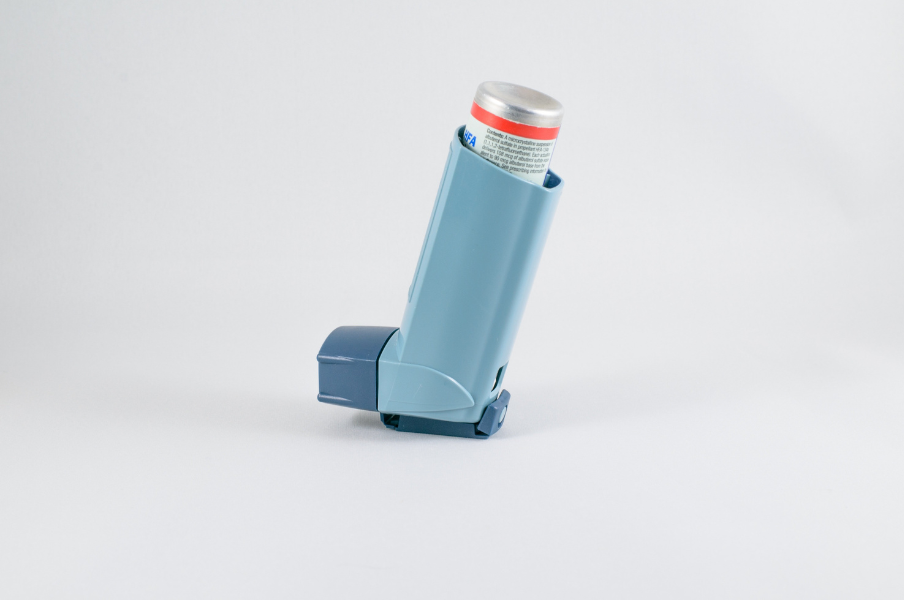
Inhaler
Inhalers are small, handheld devices that allow you to breathe medicine in through your mouth, directly to your lungs.
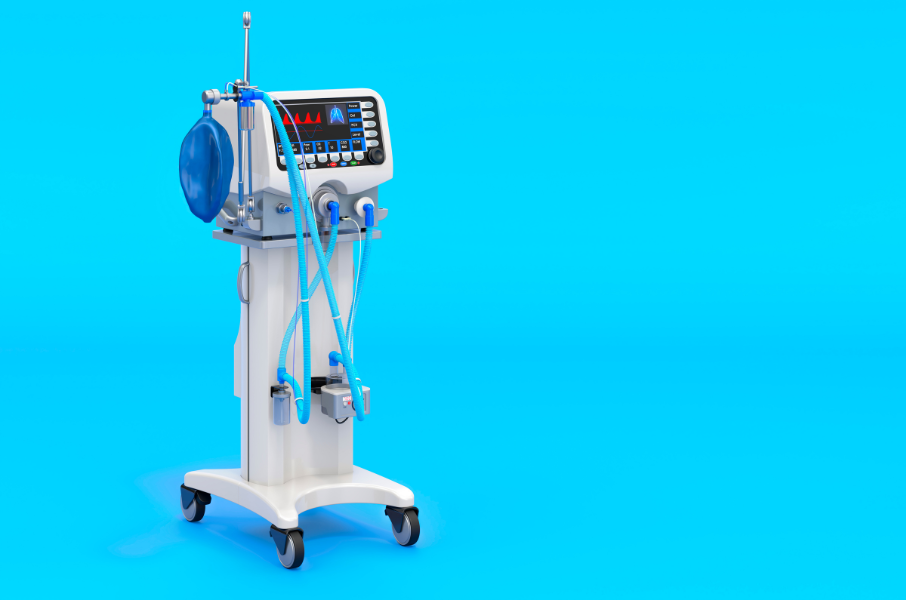
Ventilators
A ventilator is a medical device that assists people who cannot breathe independently by moving air in and out of their lungs.
Oxygen Concentrators
An oxygen concentrator is a medical device that extracts nitrogen from the surrounding air, providing up to 95% pure oxygen for breathing.
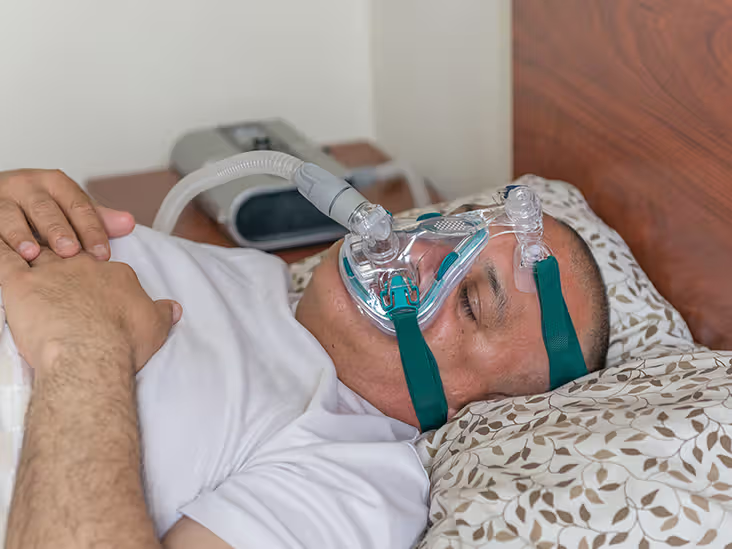
CPAP Machine
A CPAP (continuous positive airway pressure) machine is a widely used treatment for sleep apnea. It helps keep your airways open during sleep, ensuring you receive the necessary oxygen.
Preventation
There are several ways to maintain lung health or manage lung conditions effectively