
What is Spinal Cord
Background health information. Main sections are listed under “On this page”.
For testing availability, samples, or results, see Services or contact the laboratory.
What is Spinal Cord
What is Spinal Cord?
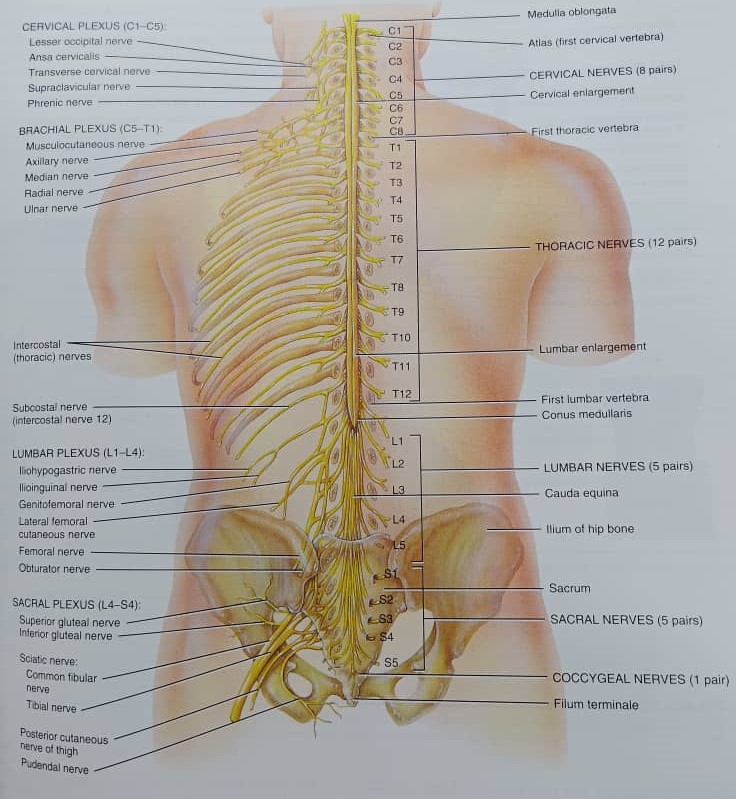
- Cervical plexus (C1–C5)
- Brachial plexus (C5–T1)
- Thoracic nerves
- Lumbar plexus (L1–L4)
- Sacral plexus (L4–S4)
- Coccygeal nerves
The spinal cord is a cylinder-shaped tube of tissue that goes from the brainstem to the lower back.
It is made up of nerves and cells that transport information from your brain to the rest of your body. The spinal cord is a major component of your neural system.
Function
What does the spinal cord do?
The spinal cord transmits nerve information from the brain to the rest of your body and back. The signals are electrical communications that assist practically everything in your body function properly, including:
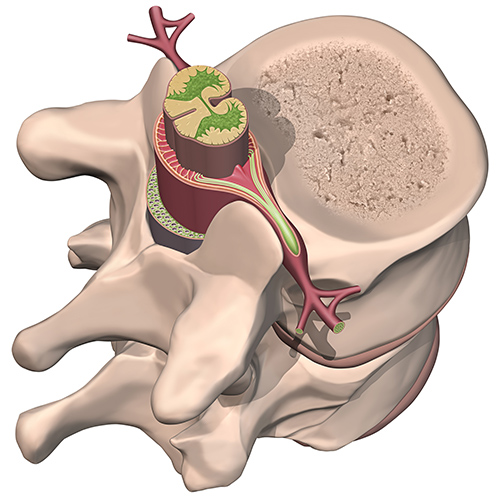
Controlling your body’s movements and functions
Reporting senses to your brain
Managing your reflexes
What are the four main parts of the spinal cord?
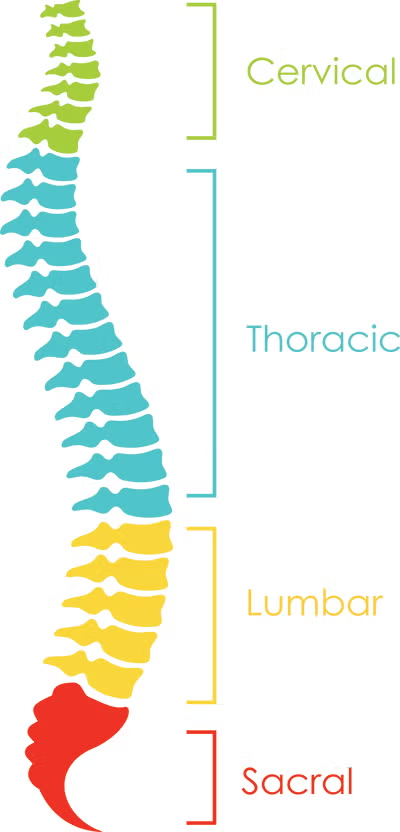
Cervical (neck)
Thoracic (upper back)
Lumbar (lower back)
Sacral (base of the spine)
Which nerves are in the spinal cord?
There are 31 nerves connected to your spinal cord. Thirty of your spinal nerves are pairs (one on each side of your spinal cord), including:
Eight cervical nerve pairs
Starting around neck and running mostly to our face and head.
Twelve thoracic nerve pairs
in our upper body that extend to our chest, upper back and abdomen.
Five lumbar nerve pairs
in our lower back that run to our legs and feet.
Five sacral nerve pairs
in our lower back near our sacrum (the bottom part of our spine) that extend into our pelvis.
What are the other structures of the spinal cord?
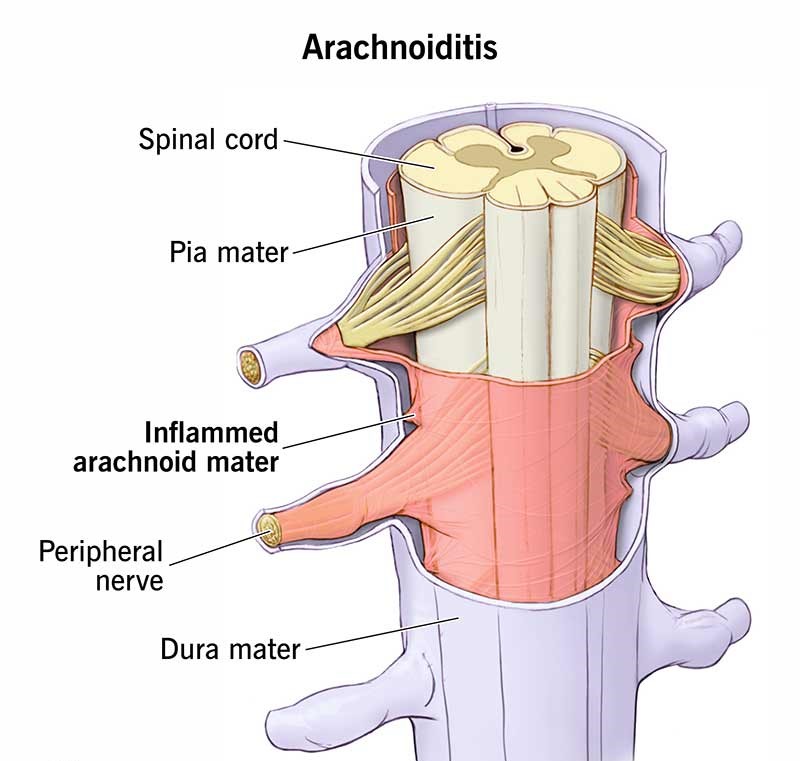
- Inflamed arachnoid mater
- Peripheral nerve
-
Dura mater: The outer layer that protects your spinal cord from injury.
-
Arachnoid mater: The middle layer.
-
Pia mater: The deepest inner layer.
Conditions and Disorders
There are 31 nerves connected to your spinal cord. Thirty of your spinal nerves are pairs (one on each side of your spinal cord), including:
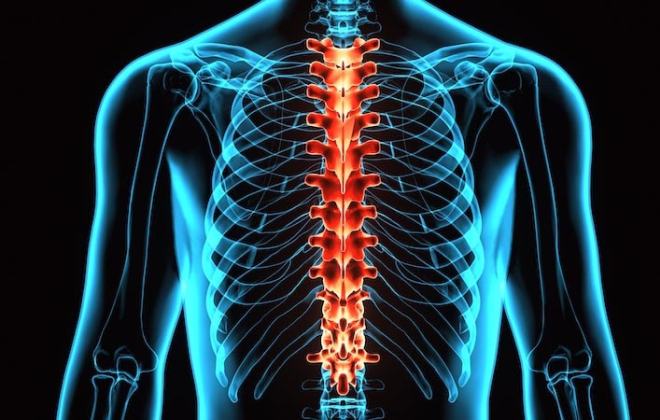
-
Acute transverse myelitis
-
Cervical spondylosis
-
Herniated disks
-
Spinal fractures
-
Spinal muscular atrophy
-
Spinal stenosis
-
Spinal tumors
-
Spinal infections
How to keep spinal cord healthy
Follow a nutritious eating plan.
Stay physically active and stretch often.
Adjust your posture often throughout your day.
Sleep in positions that support the natural curve of your neck and lower back.
Quit smoking and avoid other tobacco products.
Limit how much alcohol you drink and avoid recreational drugs.
Spinal Cord Diseases
Spinal cord disorders are conditions that cause damage and deterioration to the spinal cord. These conditions may include:
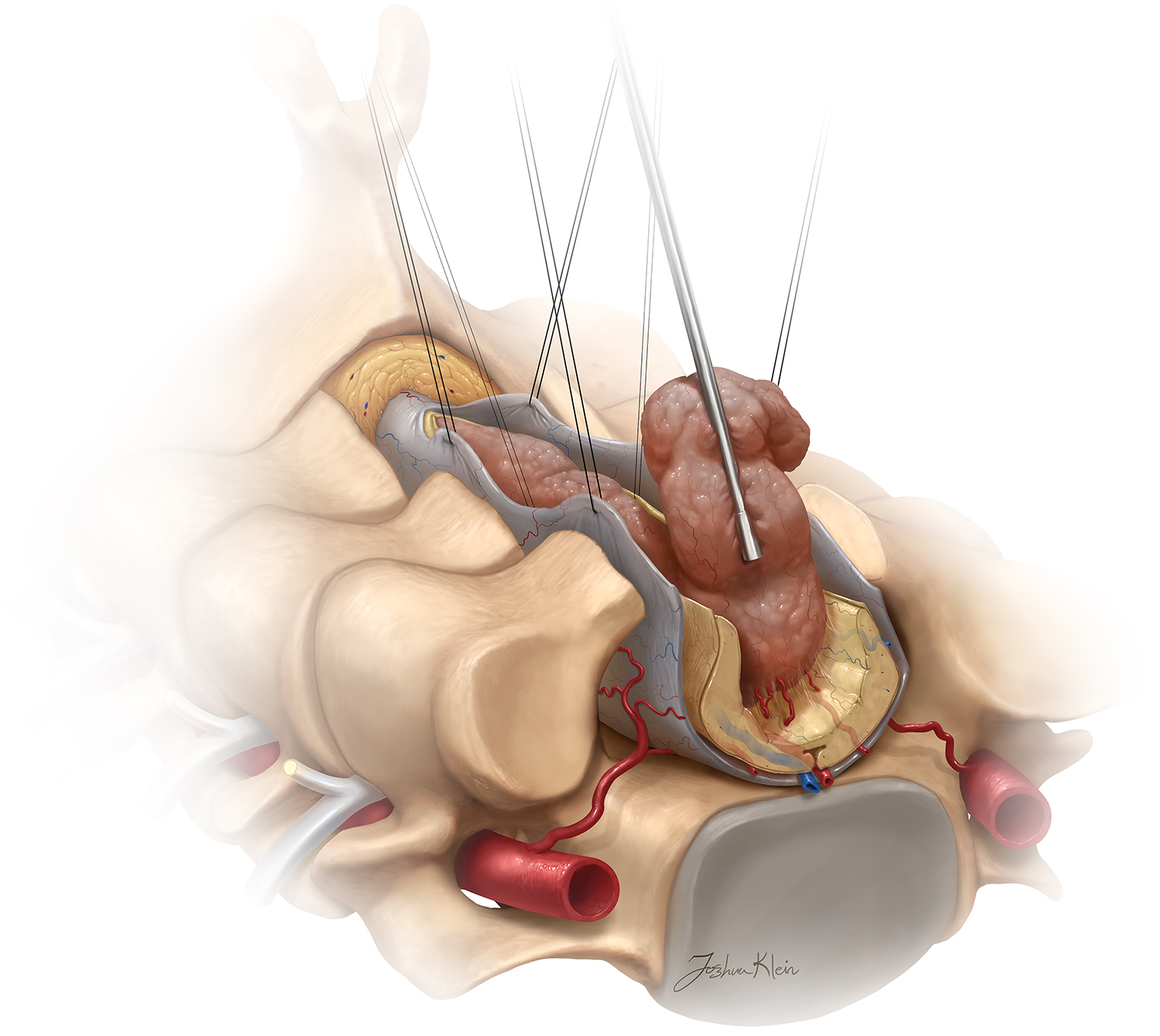
Tumors : A spinal cord tumor is an abnormal growth that can develop in the spinal cord or in the surrounding bones
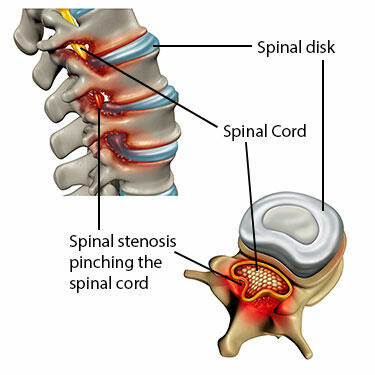
- Spinal disk
- Spinal stenosis pinching the spinal cord
Spinal stenosis : Spinal stenosis happens when the space inside the backbone is too small
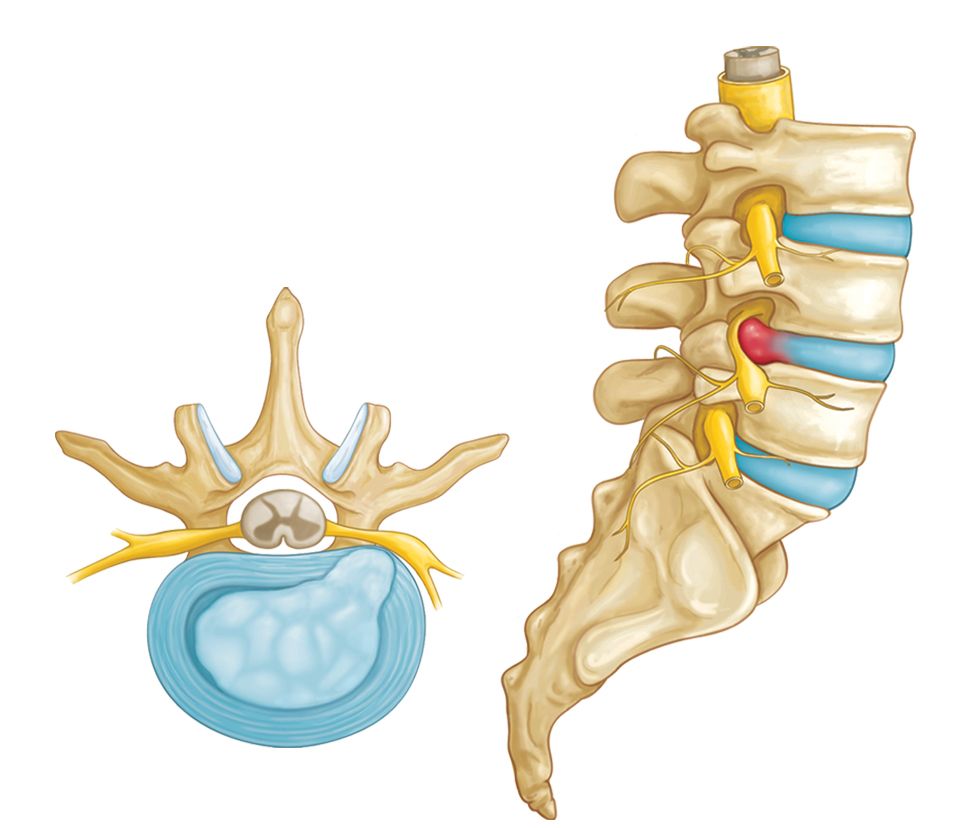
Herniated discs : A herniated disk refers to a problem with one of the rubbery cushions, called disks, that sit between the bones that stack to make the spine.
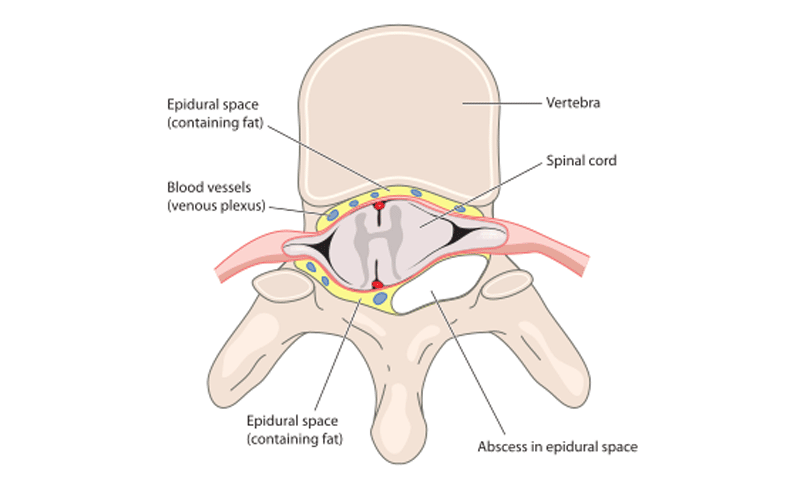
- Epidural space
- Blood vessels
- Abscess in the epidural space
Abscess : A spinal cord abscess is a collection of pus and infected material in or around the spinal cord.
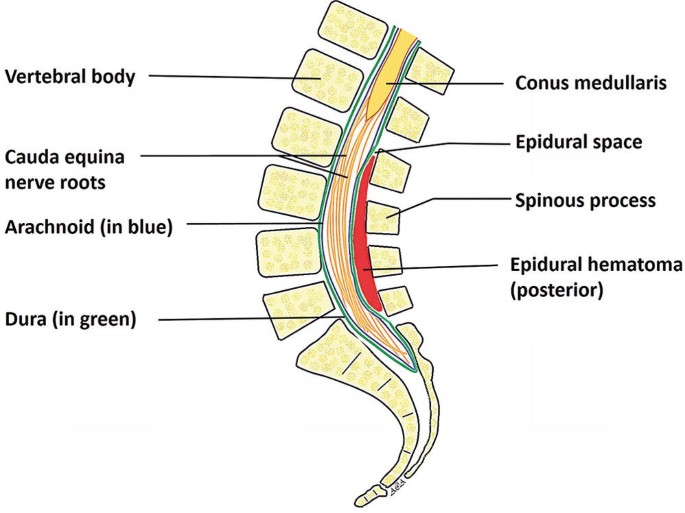
- Vertebral body
- Cauda equina nerve roots
- Conus medullaris
- Posterior epidural hematoma
Hematoma : A spinal hematoma is a collection of blood that can compress the spinal cord and nerve roots
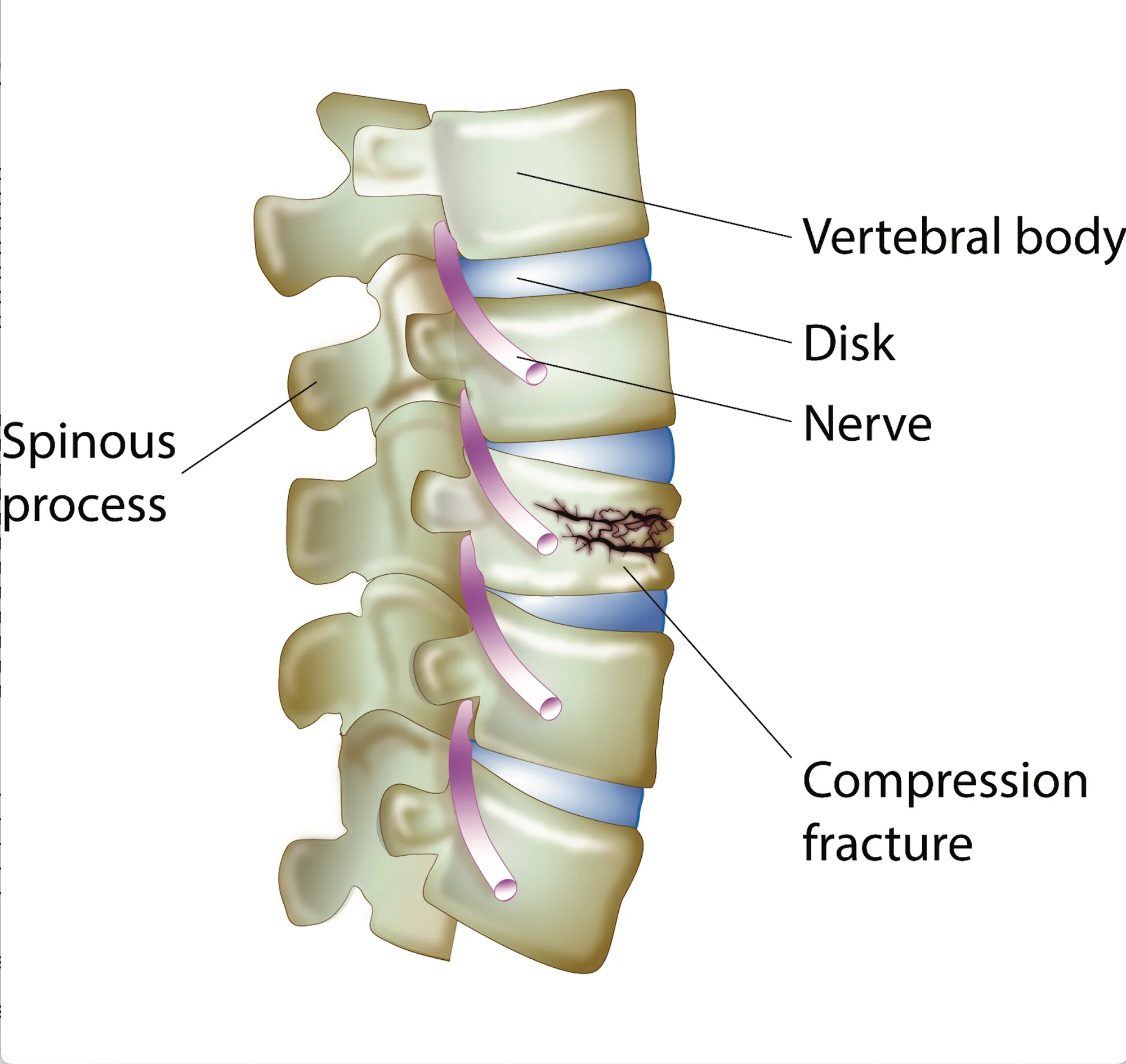
- Vertebral body
- Spinous process
- Compression fracture
Vertebral fractures : A vertebral fracture is a break in a vertebra, or bone, in the spine
Spine condition diagram
The source diagram has unlabeled leader lines. A clear, clinically reviewed replacement is required.
Degenerative disc disease : Degenerative disk disease occurs when your spinal disks wear down.